For businesses that prepare or serve hot food and discharge wastewater into the Sydney Water sewer system, having an approved grease trap is essential. Every preparation sink and floor waste must also be fitted with bucket traps. Obtaining prior approval from Sydney Water is mandatory before any discharge occurs.
Once installed, a grease trap must undergo regular pumping by an authorised Wastesafe transporter, as outlined in your service agreement.
These initial points establish the fundamentals. The following sections will provide a comprehensive overview of operational guidelines, the proper sizing of grease traps, and common mistakes that can lead to unnecessary costs for food businesses.
What Makes Grease Traps Indispensable for Your Business Operations?
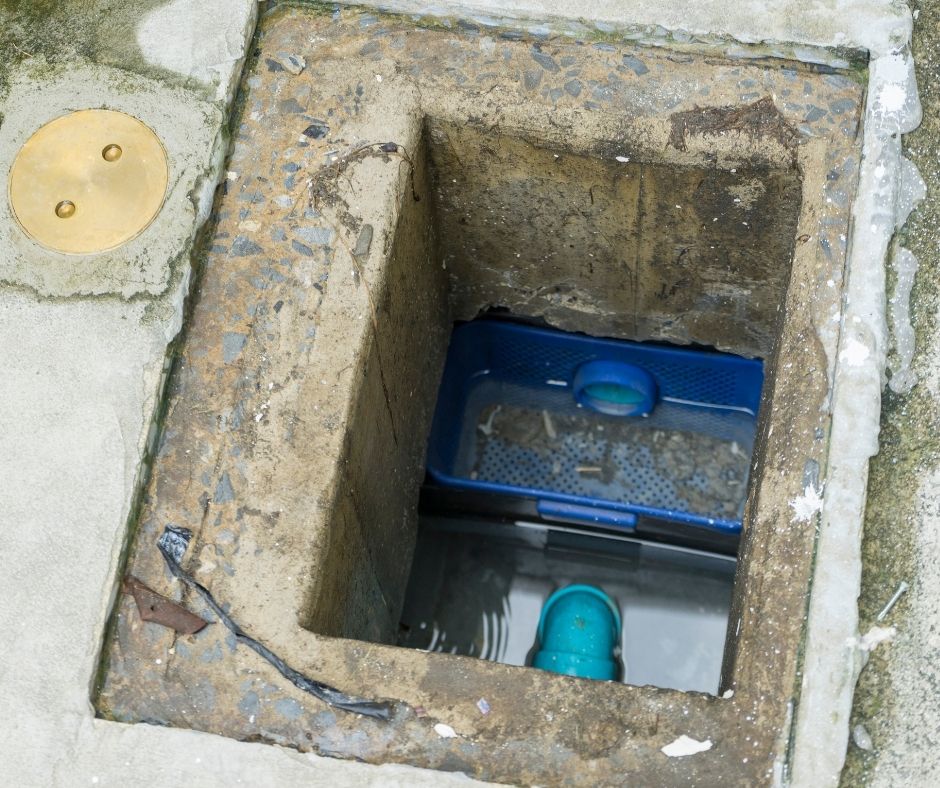
Fats, oils, and grease (FOG) do not remain in liquid form indefinitely. They are introduced into sinks while warm, cool down within the pipes, and ultimately solidify. The effects of a single kitchen discharging these substances can be significant. When numerous kitchens across Sydney contribute to this issue, it leads to blockages and overflows in the public wastewater system, resulting in the contamination of rivers and oceans.
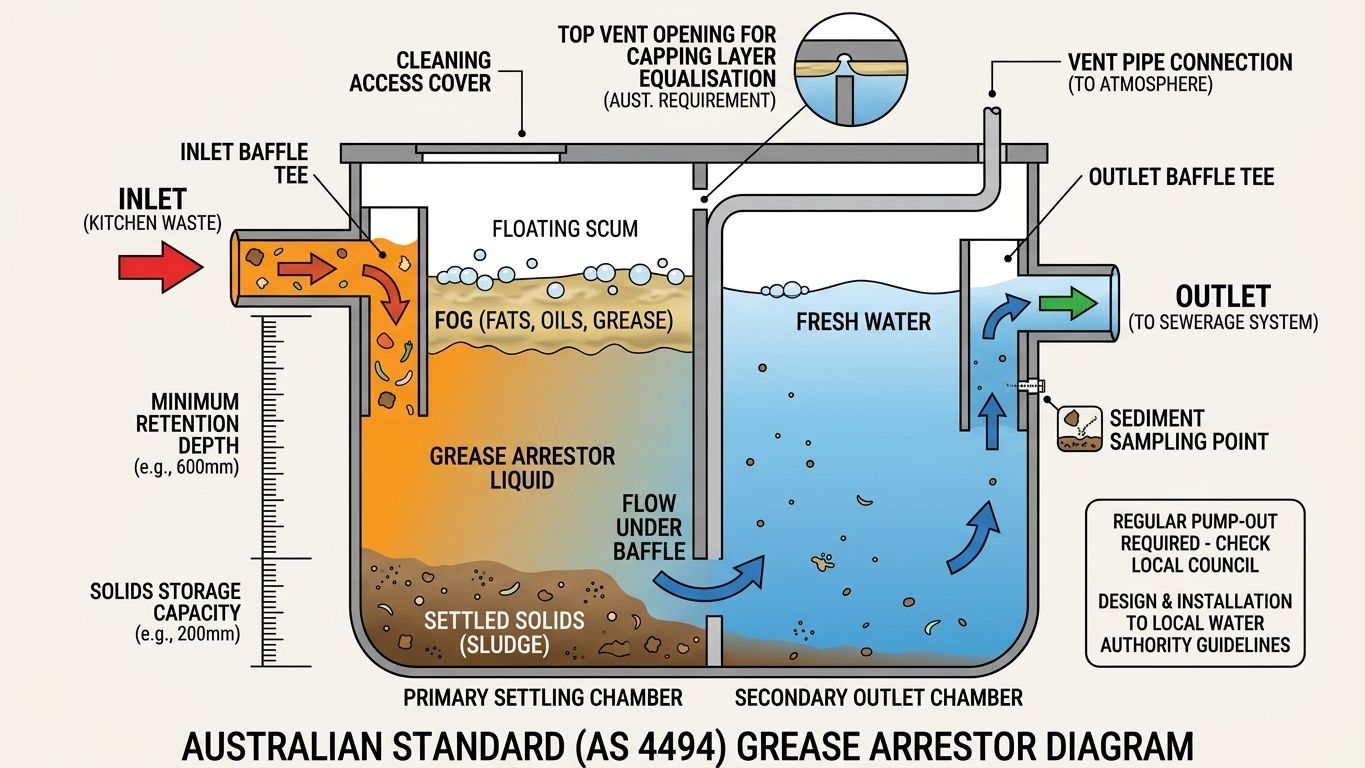
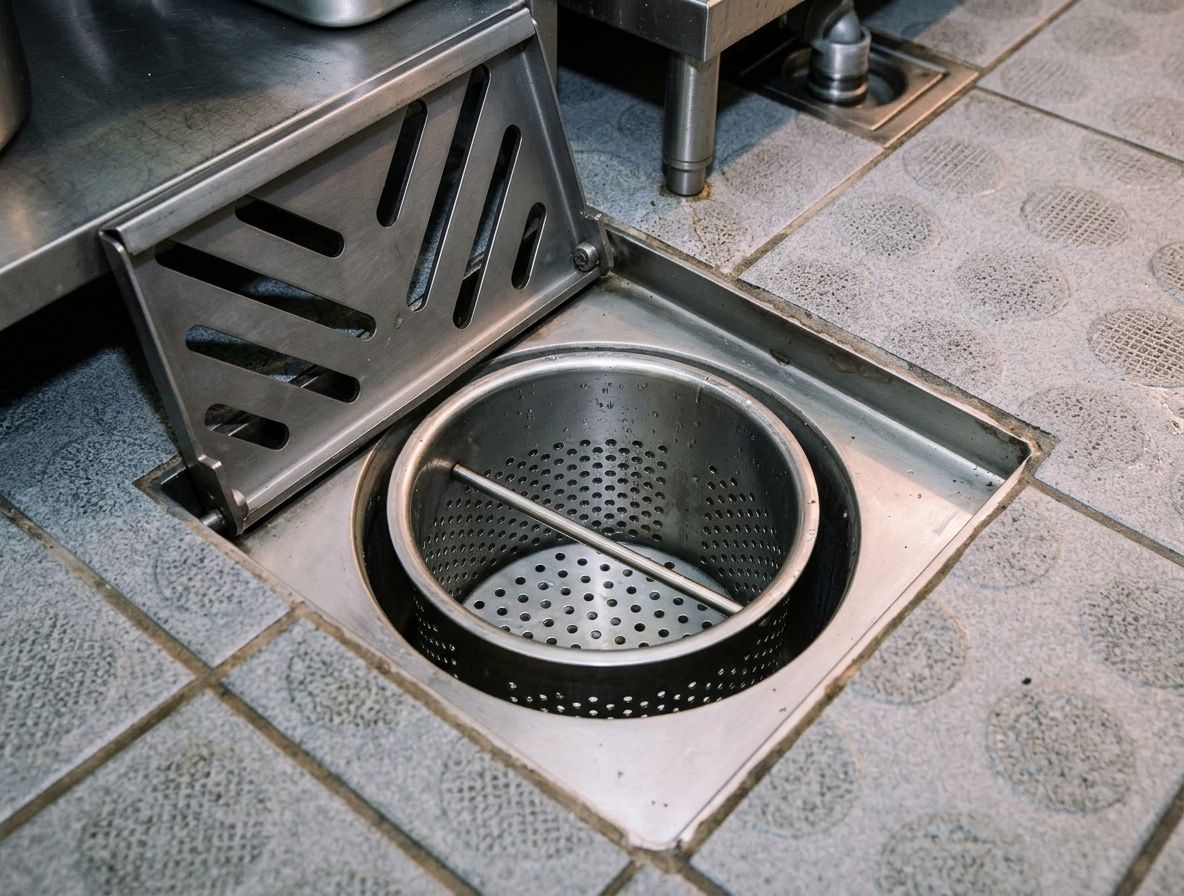
A grease trap works by slowing the flow of wastewater, allowing it to cool and enabling the grease to separate and rise to the surface, while the water continues to flow. Bucket traps installed in sinks and floor wastes capture food scraps before they can enter the sewer system. Collectively, these measures ensure that your waste does not become a shared concern.
Which Regulatory Bodies Govern Grease Trap Compliance?
Business owners often encounter challenges when navigating the regulatory landscape due to the involvement of multiple authorities.
Sydney Water regulates the parameters of what can be discharged into the sewer system. Any discharge that exceeds standard household wastewater is classified as trade wastewater and necessitates their approval. They also determine the acceptable types and sizes of grease traps tailored to your specific needs, as well as the frequency of pump-outs.
Detailed requirements can be found on sydneywater.com.au, including guidelines for installation.
Your local council plays a crucial role in regulating food businesses as well. Council inspectors assess your operations, including waste disposal management practices.
If your establishment is situated outside Sydney Water’s jurisdiction, your local water utility will take on the responsibilities of Sydney Water, and their requirements may differ.
What Are the Essential Steps to Take Before Launching Your Business?
The first step involves obtaining approval from Sydney Water. You will need to apply for permission to discharge trade wastewater. Review the application process, and they will contact you to discuss your specific business requirements.
The application process incurs no cost. It is crucial to complete this step before purchasing or installing any equipment. Choosing a grease trap that lacks approval for your premises can result in costly mistakes.
Next, ensure that you have the appropriate pre-treatment systems in place for your kitchen. For most food businesses, this generally includes:
- In-sink bucket traps: installed in each food preparation sink.
- In-floor bucket traps: installed in all floor wastes located in food preparation and cooking areas.
- A correctly sized grease trap: selected from Sydney Water’s approved list, sized according to your maximum hourly flow.
Ensure that a licensed plumber installs the grease trap, adhering to the manufacturer’s guidelines, Sydney Water’s specifications, and the Plumbing Code of Australia. Upon completion, your plumber should provide you with a certificate of compliance, which you must retain for your records.
We specialise in grease trap installations for cafés, restaurants, and takeaway shops across the Hills District and Northwest Sydney, covering areas such as Castle Hill, Bella Vista, Rouse Hill, and Marsden Park. If you are fitting out new premises, contact us early so we can assist you with sizing and placement before any commitments are made.
How to Properly Size Your Grease Trap?
Sydney Water permits grease traps with capacities ranging from 1,000 to 5,000 litres. Smaller units fail to effectively capture grease, while larger traps become increasingly difficult to clean and service. In high-demand locations, such as busy shopping centre food courts, multiple traps may be necessary, with a combined capacity reaching up to 30,000 litres. Beyond this threshold, a centralised treatment system, such as dissolved air flotation, must be installed.
Sydney Water provides minimum size guidelines for various types of businesses. Here are a few examples:
- Cafés, snack bars, and coffee lounges serving hot food: 1,000 litres.
- Takeaway shops, food court outlets, pizza shops, and charcoal chicken: 1,000 litres.
- Restaurants with 1 to 69 seats: 1,000 litres.
- Restaurants with 70 to 199 seats: 1,500 litres.
- Restaurants with 200 to 399 seats: 2,000 litres.
- Restaurants and function centres with 800 to 1,000 seats: 5,000 litres.
- Supermarkets with a chicken cooker: 1,500 litres plus a grease removal device.
These figures represent minimum requirements and should not be viewed as targets. Sydney Water recommends sizing your trap based on your current and expected maximum hourly flow. If you plan to extend your operating hours or introduce new equipment such as a fryer, accommodating this now will be more cost-effective than needing to excavate later. An undersized trap will struggle to treat your wastewater effectively, potentially leading to Sydney Water mandating additional pre-treatment systems.
What Installation Standards Must Your Plumber Follow?
The positioning and connection of the grease trap are just as important as its size. Sydney Water’s regulations include the following requirements:
- Directing all wastewater to the trap: Wastewater from food preparation areas, floor wastes, kitchen sinks, dishwashers, and garbage disposal areas must drain through the grease trap.
- Proximity to the kitchen: Long pipe runs can result in grease accumulating before reaching the trap. If unavoidable, measures such as heat tracing or steeper pipe gradients can help mitigate this issue.
- Gravity drainage: The trap must rely on gravity for drainage into the sewer. Pumped systems incur higher operational costs and pose a risk of overflow inside your premises if a pump malfunctions.
- Proper venting: Adequate ventilation is essential for wastewater to cool and facilitate grease separation. A poorly vented trap may run too hot, allowing grease to bypass it.
- Space above the trap: There should be sufficient clearance above the trap, at least equal to its depth, to allow for servicing access.
- Access for waste collection: Your waste removal contractor should have convenient parking nearby, and Sydney Water must have safe access for inspections. Multi-storey buildings may require a fixed pump-out line leading to street level.
What Ongoing Responsibilities Do You Have After Installation?
This critical aspect is often overlooked. A grease trap is not a one-time investment; it entails ongoing responsibilities as detailed in your agreement with Sydney Water.
Your agreement specifies how often the trap must be pumped out, depending on its size, the volume of waste generated, and its grease content. An authorised Wastesafe transporter must carry out the pump-out, during which they will empty the trap, clean and scrape its internal surfaces, and scan a barcode on-site to provide Sydney Water with a service record. Be aware that Sydney Water charges a management fee for the Wastesafe system, and your transporter will invoice you separately for pump-out and disposal services.
The schedule in your agreement reflects the minimum frequency. If your trap is blocking or emitting unpleasant odours before the next scheduled pump-out, this indicates an increase in grease generation in your kitchen, warranting a discussion with us or Sydney Water.
You are also responsible for maintaining the trap’s functionality. Issues such as a damaged baffle, a cracked lid, or leaks indicate that the trap is not performing as intended. Grease traps generally have a long lifespan, but they do deteriorate over time. Older traps that have retained grease for extended periods can be challenging to repair. A licensed plumber can advise whether repair or replacement is the best course of action. If you choose to proceed with repairs or upgrades, you must apply through Tap in to amend your agreement beforehand.
It is also crucial to notify Sydney Water of any changes to your operations. Adjustments to your menu, extended trading hours, new cooking equipment, or changes in business type can all impact your requirements.
What Common Mistakes Should Be Avoided?
Certain habitual practices can breach your agreement or hinder the trap’s efficiency, often resulting in both issues:
- Disposing of waste oil down the drain: Used cooking oil should be collected in a container and sent off-site for recycling, never poured down the sink or grease trap.
- Using enzymes, bacteria, or odour treatments: Sydney Water prohibits the introduction of solvents, enzymes, natural or engineered bacteria, odour control agents, or pesticides into grease traps.
- Excessive detergent use: Detergents can break down grease, allowing it to pass through the trap. Using less detergent will save money and enhance the trap’s efficiency.
- Installing garbage grinders or in-sink disposal units: These devices are not permitted in commercial premises, and Sydney Water may disconnect any business that installs them.
- Introducing other waste into the trap: Waste from equipment like vegetable peelers should not be sent to the grease trap.
What Are the Potential Consequences of Non-Compliance?
Sydney Water may take action against non-compliance, and repeated violations of your agreement can result in serious consequences, including disconnection in the case of prohibited equipment. Local councils can also enforce compliance during inspections of food premises.
The regulatory body is rarely the most immediate concern. The primary issue often arises as a blocked grease trap on a busy Friday, leading to unpleasant odours permeating the dining area and halting kitchen operations until the blockage is resolved. Maintaining compliance and ensuring your kitchen runs smoothly are intertwined responsibilities.
What Are the Most Frequently Asked Questions About Grease Traps?
Is a grease trap mandatory for a small café?
If your establishment cooks or serves hot food, Sydney Water mandates the installation of a grease trap, irrespective of seating capacity. For cafés, snack bars, or coffee lounges serving hot food, the minimum required capacity is 1,000 litres.
Who determines the correct size of my grease trap?
Sydney Water establishes minimum sizes based on business type, with the final size depending on your maximum hourly flow. We can assist you in determining the appropriate capacity and guide you through the Sydney Water application process before you make any purchases.
Can I install a grease trap myself?
No. Installation must be performed by a licensed plumber in accordance with the manufacturer’s guidelines, Sydney Water’s requirements, and the Plumbing Code of Australia. You should receive a certificate of compliance upon completion.
How often should a grease trap be pumped out?
The frequency of pump-outs is defined by your agreement with Sydney Water, based on your trap’s size, waste volume, and grease content. If the trap is blocking or emitting odours before the next scheduled pump-out, the interval may not be suitable for your kitchen’s demands, regardless of the paperwork.
Who is authorised to perform pump-outs on my grease trap?
Only an authorised Wastesafe transporter is permitted to carry out pump-outs. They scan a barcode during each service to ensure Sydney Water can track the waste from your premises to its final disposal.
Is there a fee for applying to Sydney Water?
The application process through Tap in is free. Once you are operational, Sydney Water charges a management fee for the Wastesafe system, while your transporter will bill you separately for each pump-out service.
Can I use enzyme or bacteria treatments to reduce pump-out frequency?
No. Sydney Water does not permit the use of enzymes, bacteria, solvents, or odour control agents in grease traps, and these substances will not affect the pump-out frequency stipulated in your agreement.
We have taken over a café that already has a grease trap. Are we automatically compliant?
Not necessarily. It’s crucial to contact Sydney Water through Tap in promptly to confirm whether the existing agreement and grease trap are suitable for your business, especially if your menu or operating hours differ from the previous owner’s. Addressing this before your first inspection is significantly easier than rectifying issues afterward.
What if our grease trap is now undersized?
This is a common issue, particularly following menu changes or extended trading hours. Upgrading the trap is feasible, but you must first apply to Sydney Water to amend your existing agreement. It is advisable to take this step before undersizing leads to regular blockages.
How to Ensure Effective Compliance with Grease Trap Regulations?
Many grease trap complications arise from having a trap that is improperly sized for the business or a pump-out schedule that aligns more with administrative requirements than actual kitchen needs. Sometimes, on-site staff may not be aware of the correct contacts for assistance.
If you are launching a new food business, taking over a premises, or facing issues related to an inherited grease trap, consult with The Plumbing Paramedics. We specialise in the installation, servicing, and repair of grease traps for commercial kitchens throughout Sydney’s Hills District and Northwest. We can offer insights into what your premises will likely require before any financial commitments are made. Reach out to us at 0430 054 007.
If you operate a food business in Sydney, you’ve likely been informed about the necessity of a grease trap. the specifics regarding who mandates this requirement, what actions you must take post-installation, and who will follow up for compliance are often not thoroughly explained.
This is the straightforward version.
Original Article First Published At: Grease Trap Requirements in NSW: What Your Business Actually Has to Do
The Article: Grease Trap Requirements in Nsw: Essential Business Actions first appeared on https://writebuff.com
The post Grease Trap Requirements: Key Actions for Nsw Businesses appeared first on Limits Of Strategy.
The Article Grease Trap Requirements: Essential Actions for Nsw Firms found first on https://electroquench.com