Comprehensive Insights into Cholesterol Blood Tests Offered in Blackburn
What types of cholesterol are evaluated during testing?
Private Cholesterol Blood Test in Blackburn: In Blackburn, the typical cholesterol blood tests assess three fundamental types of cholesterol: low-density lipoprotein (LDL), frequently referred to as ‘bad’ cholesterol; high-density lipoprotein (HDL), recognised as ‘good’ cholesterol; and triglycerides. Understanding these components is crucial for evaluating cardiovascular health, providing key insights into a person’s risk for developing heart disease.
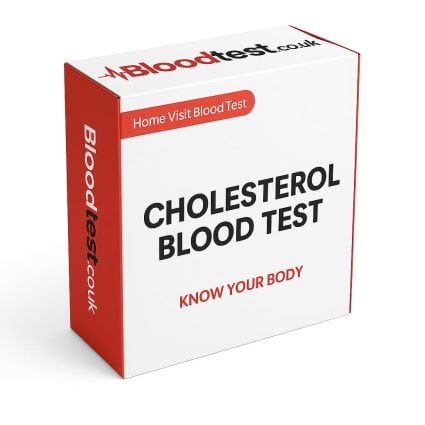

Local clinics in Blackburn strictly adhere to NHS guidelines to ensure that cholesterol measurements are accurate and interpretations are reliable, empowering patients to make informed health decisions.
How should you properly prepare for your cholesterol test appointment?
To achieve reliable outcomes from your cholesterol blood test in Blackburn, meticulous preparation is essential. Most clinics recommend fasting for 9-12 hours prior to your appointment, which involves abstaining from all food and drink except for water. This fasting period is vital as it guarantees that the test results accurately reflect your cholesterol levels. It is also prudent to check with local clinic protocols, as some may require you to schedule your appointment in advance or fill out specific health questionnaires to ensure you receive comprehensive care tailored to your needs.
How do healthcare professionals analyse test outcomes in Blackburn?
Healthcare providers in Blackburn assess cholesterol levels using UK-specific thresholds, which may differ slightly from those used in other countries. For instance, an LDL cholesterol level exceeding 3.0 mmol/L is usually deemed high, signalling potential health risks. After receiving your results, practitioners typically provide personalised follow-up recommendations based on your individual health profile, lifestyle choices, and family medical history. This customised approach aims to mitigate the risks associated with high cholesterol and enhance your overall cardiovascular well-being.
Why is ongoing cholesterol screening vital for your health?
Regular cholesterol screening is paramount for Blackburn residents, as it significantly contributes to the prevention of cardiovascular disease. According to NHS guidelines, adults over the age of 40 should have their cholesterol levels assessed at least every five years, or more frequently if they possess existing health risks or a family history of heart disease. Early identification of abnormal cholesterol levels can lead to timely intervention, greatly improving long-term health outcomes and reducing the likelihood of serious cardiovascular events.
Grasping the Cholesterol Blood Test Process in Blackburn
What should patients anticipate during the blood sample collection process?
The procedure for collecting blood in Blackburn facilities is designed to be straightforward, prioritising patient comfort and safety. A trained healthcare professional will begin by sanitising the area with an antiseptic wipe to minimise the risk of infection. Once a suitable vein is located, typically in the arm, they will use a sterile needle to extract a blood sample. This process is quick and efficient, generally taking less than five minutes, and all clinics adhere to rigorous safety measures to minimise any discomfort and ensure a risk-free experience for patients.
What essential equipment is utilised during cholesterol tests?
In UK laboratories, various advanced instruments are employed for cholesterol analysis, with automated analysers serving as the core devices to guarantee accuracy and precision. These sophisticated machines can perform multiple tests simultaneously, enabling the efficient processing of numerous blood samples. Additionally, centrifuges are frequently used to separate plasma from blood cells, which is crucial for obtaining accurate cholesterol level measurements, thereby enhancing the reliability of the results provided to healthcare professionals.
What factors might influence the precision of cholesterol test results?
Several factors can significantly affect the accuracy of cholesterol blood tests conducted in Blackburn. Diet plays a crucial role; for instance, consuming high-fat meals prior to testing can elevate triglyceride levels, thus distorting the results. Moreover, factors such as hydration levels and psychological stress can also impact measurements. To optimise the reliability of your results, consider the following factors:
- Fasting duration: Adhere strictly to fasting guidelines as advised.
- Dietary choices: Avoid high-fat foods for at least 24 hours before the test.
- Hydration: Drink plenty of water, but avoid other beverages before the test.
- Medications: Inform your doctor of any prescriptions that might affect your results.
- Activity level: Minimise strenuous physical activity in the days leading up to the test.
Expert Perspectives on Cholesterol Blood Tests in Blackburn
What insights does recent research provide on cholesterol management?
Recent studies conducted in the UK have underscored the necessity of personalised strategies for cholesterol management. Experts advocate for regular testing as a fundamental aspect of a broader strategy to monitor and control cholesterol levels among Blackburn residents. They emphasise the importance of implementing lifestyle modifications alongside pharmacological interventions when required. Such evidence-based approaches are essential for enhancing community health and ensuring individuals receive the most effective care tailored to their specific needs.
What innovative testing methods are available in your area?
For those seeking specialised cholesterol assessments, local healthcare providers in Blackburn may offer advanced testing methodologies such as lipoprotein(a) testing and apolipoprotein B testing. These advanced tests deliver deeper insights into cardiovascular risk factors. They can be particularly advantageous for individuals with a family history of heart disease or those who do not respond adequately to standard cholesterol treatments. Consulting with a healthcare professional can assist you in selecting the most appropriate testing options tailored to your individual health requirements.
Why is consistent testing important for your overall health?
Regular cholesterol testing is vital for maintaining heart health and overall well-being. Experts highlight that monitoring cholesterol levels over time enables proactive health strategies, helping to identify potential issues before they escalate into serious health problems. For Blackburn residents, being vigilant about scheduling regular check-ups can significantly reduce the risk of developing heart disease and its associated complications, leading to a healthier and more vibrant life.
What Advantages Do Cholesterol Blood Tests Provide?
How does testing contribute to cardiovascular health enhancement?
Routine cholesterol assessments play a significant role in identifying and addressing cardiovascular issues at an early stage. By monitoring cholesterol levels, individuals can make informed lifestyle decisions and adjust treatment plans as needed. This proactive emphasis on preventive care aligns with the UK’s focus on health promotion, ultimately enhancing overall health outcomes and decreasing the prevalence of heart disease within the community.
Is early detection of cholesterol issues genuinely beneficial?
Prompt cholesterol screening in Blackburn can facilitate significant lifestyle enhancements. Early identification allows individuals to implement necessary dietary changes, increase their physical activity, or even start medication if required, all of which contribute to a healthier, more balanced life. The ability to intervene early can prevent the onset of serious health concerns, thereby improving quality of life in the long term.
What long-lasting health benefits can be realised?
Ongoing monitoring of cholesterol levels not only helps reduce immediate health risks but also fosters long-term health improvements. With consistent cholesterol testing, the UK population can better manage their health and diminish their risk factors, contributing to a decrease in the prevalence of heart disease and related conditions. This proactive approach to health management is crucial for promoting longevity and overall well-being.
What Are the Risks Associated with Cholesterol Testing?
What potential side effects might accompany cholesterol testing?
While cholesterol blood tests are generally safe, there are rare complications associated with blood draws in Blackburn clinics. Potential side effects may include bruising, infection, or fainting. However, UK safety standards are strict, ensuring that such occurrences are infrequent. Clinics are well-equipped to manage any issues that may arise during the procedure, providing reassurance to patients regarding their safety and care.
Who should approach cholesterol testing with caution?
Certain individuals may need to approach cholesterol testing with increased caution. Those with bleeding disorders or individuals taking anticoagulant medications might require alternative strategies to assess heart health effectively. It is essential for anyone with significant health concerns or who is uncertain about their suitability for testing to consult with a healthcare professional, ensuring they receive appropriate guidance tailored to their specific circumstances.
How can you manage anxiety related to test results?
The emotional impact of receiving test results can be considerable, often leading to feelings of anxiety or stress. Individuals in Blackburn can employ various coping strategies to manage these feelings effectively, including:
- Open communication: Discussing any concerns with healthcare providers can provide clarity and reassurance.
- Support networks: Engaging with friends or family can help alleviate feelings of anxiety.
- Mindfulness techniques: Practising mindfulness or relaxation methods may ease tension and promote emotional well-being.
- Education: Understanding the implications of test results can reduce fear of the unknown and foster a sense of control.
What risks are associated with inaccurate test outcomes?
Inaccurate cholesterol test results pose significant risks, especially within the context of UK health services. False positives may lead to unnecessary treatments, while false negatives could delay vital interventions. For Blackburn residents, understanding the reliability of their test results is crucial. Seeking second opinions from NHS professionals can offer reassurance and clarity when addressing potential health concerns, ensuring individuals are well-informed about their health status.
How to Prepare Effectively for a Cholesterol Test in Blackburn
How can you conveniently schedule your appointment?
Accessing local cholesterol blood test services in Blackburn is straightforward, with many clinics providing convenient online booking through UK health systems. Patients can easily navigate the appointment scheduling process, allowing for efficient arrangements that meet their individual needs and preferences. This ease of access encourages more individuals to prioritise their health by getting tested regularly.
What dietary recommendations should you adhere to before the test?
To optimise cholesterol test results, following specific dietary guidelines is essential. In the days leading up to your appointment, focus on a balanced diet rich in fruits, vegetables, and whole grains while minimising saturated fats and sugars. This approach aligns with standard UK recommendations and will help ensure accurate readings, ultimately contributing to your overall health and well-being.
Why does follow-up care vary among patients after results are received?
Post-test care can differ significantly based on individual results and health conditions. After obtaining cholesterol test results, patients in Blackburn should engage in thorough discussions with their healthcare providers regarding the implications of their results. Follow-up care may involve lifestyle counselling, medication adjustments, or further testing as necessary, reflecting the region’s personalised approach to healthcare and ensuring each patient receives tailored care suited to their unique health circumstances.
Frequently Asked Questions about Cholesterol Testing
What does a cholesterol blood test entail?
A cholesterol blood test measures LDL, HDL, and triglyceride levels, offering crucial insights into your cardiovascular health.
How frequently should I have my cholesterol assessed?
For most adults, it is advisable to have cholesterol levels checked every five years, or more often if you have risk factors that may heighten your likelihood of heart disease.
What preparations are necessary before the test?
Patients are usually advised to fast for 9-12 hours before the test and to avoid high-fat foods in the days leading up to it to ensure accurate results.
What do the results signify for my health?
Results are interpreted according to UK guidelines, with specific thresholds for LDL and HDL levels indicating whether any intervention is required to maintain or improve your health.
Am I allowed to eat or drink before the test?
Most clinics recommend fasting, which means avoiding food or drink except for water for several hours before the test to ensure accuracy.
What actions are taken if my cholesterol levels are elevated?
High cholesterol levels may lead your doctor to suggest lifestyle changes, medication, or further testing, as necessary, to mitigate the risks associated with cardiovascular disease.
Are there any risks tied to the blood draw?
While rare, potential risks of blood draws include bruising, infection, or fainting. Clinics adhere to strict safety standards to minimise these risks and ensure patient safety.
What should I do if I feel anxious about my test results?
It is vital to discuss your concerns with your healthcare provider. Consider engaging in relaxation techniques or seeking support from friends or family to help manage your anxiety.
How swiftly will I receive my results?
Results timelines vary by clinic but typically range from a few days to a week for processing and interpretation, depending on the specific procedures in place.
Is genetic testing available for cholesterol-related issues?
Yes, some clinics offer genetic testing to assess inherited cholesterol disorders, which can provide additional insights into your cardiovascular risk profile and guide management strategies.
Connect with us on Facebook now for more health insights!
This Article Was First Found On https://bloodtest.co.uk
The Article Cholesterol Blood Test: Your Essential Guide in Blackburn found first on https://electroquench.com