Discover the Crucial Role of a Vitamin D Blood Test in Supporting Your Health
Essential Reasons to Arrange Your Vitamin D Blood Test Today
Private Vitamin D Blood Test in Scarborough: This essential test measures the amount of vitamin D in your bloodstream, which plays a vital role in various bodily functions, including maintaining bone health and enhancing immune system efficacy. By evaluating your vitamin D levels, healthcare professionals can accurately assess your overall health and identify potential risks linked to vitamin D deficiency. This critical information allows them to offer personalised recommendations regarding your diet and lifestyle modifications. Inadequate vitamin D levels can lead to severe health complications, including weakened bones, diminished immune response, and mood disturbances.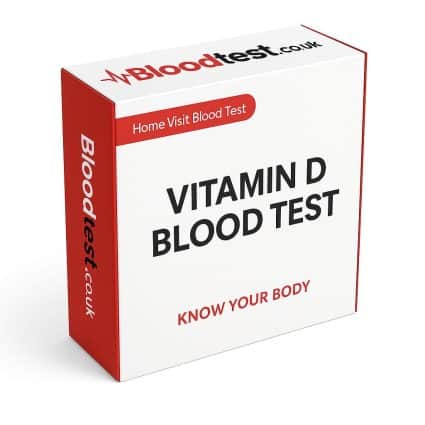

This testing is especially important for individuals who may face inadequate sunlight exposure, such as those living in northern regions, older adults, and those with limited outdoor activities.
Gaining insight into your vitamin D levels can inform necessary dietary changes or the consideration of supplements. Furthermore, these results may help prevent chronic health complications. In the UK, due to its geographical location and unpredictable weather patterns, many individuals may unknowingly develop a vitamin D deficiency during the prolonged winter months.
Which Demographic Groups Should Prioritise Regular Vitamin D Testing?
Certain demographic groups should prioritise routine vitamin D testing to reduce health risks associated with deficiency. Older adults are particularly at risk, as the skin's ability to synthesise vitamin D diminishes with age. Additionally, those with limited sun exposure, including individuals who work indoors or reside in care facilities, should consider undergoing regular screenings. Individuals with darker skin tones may also encounter heightened risk due to increased melanin levels, which reduce the skin's ability to produce vitamin D from sunlight exposure.
People suffering from specific health conditions, such as obesity or gastrointestinal disorders like Crohn's disease or celiac disease, may also require testing, as these conditions can impede absorption rates. Pregnant and breastfeeding women should also consider testing due to the critical importance of maintaining sufficient vitamin D levels for the health of both mother and child.
What is the Recommended Frequency for Vitamin D Testing?
The frequency of vitamin D testing largely depends on individual health requirements, lifestyle choices, and medical history. For most healthy adults, testing every few years may suffice, whereas those identified as at risk may need annual assessments. For instance, individuals who have previously shown low levels or exhibit symptoms indicative of deficiency should seek personalised advice from their healthcare provider regarding testing frequency.
Regular testing not only aids in monitoring current vitamin D levels but also helps in determining necessary adjustments to supplementation. This practice proves especially crucial in the UK, where seasonal changes can significantly influence vitamin D levels. Individuals who predominantly remain indoors during the winter months might benefit from more frequent evaluations to guarantee optimal health and well-being.
How to Prepare Adequately for Your Vitamin D Blood Test
In most cases, no specific preparation is necessary for a vitamin D blood test. The process is generally straightforward and requires only a simple blood draw. However, it is always wise to consult your healthcare provider for tailored instructions based on your health condition. For example, if you are currently taking supplements or medications that could affect your vitamin D levels, your healthcare professional may recommend postponing the test for a specified period.
While fasting is typically not required, arriving well-hydrated is essential, as it can enhance the comfort of the blood draw. Following your doctor’s preparatory guidelines ensures more accurate results. Knowing how to prepare properly can lead to a seamless testing experience.
Explore the Comprehensive Advantages of Vitamin D Testing
Strengthening Your Bone Health with Adequate Vitamin D Levels
Maintaining optimal vitamin D levels is essential for enhancing bone health, as it facilitates calcium absorption. A deficiency in vitamin D can lead to serious health complications such as osteoporosis and rickets, both of which can jeopardise bone integrity. Regular testing empowers individuals to monitor their vitamin D levels and take proactive measures to avert these detrimental conditions.
- Strengthens bones and teeth
- Minimises the likelihood of fractures
- Supports the formation of bone cells
- Helps prevent osteoporosis in older adults
- Aids in calcium absorption
- Promotes overall skeletal health
For residents of Scarborough, where seasonal fluctuations significantly affect sun exposure, recognising the importance of vitamin D testing becomes even more critical. By staying informed, individuals can take charge of their bone health, ensuring they maintain robust skeletal integrity throughout their lives.
Enhancing Immune System Function Through Adequate Vitamin D Levels
Vitamin D plays a crucial role in fortifying the immune system. It assists in regulating immune responses, potentially reducing the risk of autoimmune diseases and infections. Regular testing can help identify low vitamin D levels, which, if neglected, may heighten susceptibility to various illnesses.
Moreover, some studies suggest that sufficient vitamin D levels could lessen the severity of respiratory infections, a particularly relevant consideration during winter when seasonal flu and other viral infections are common. In Scarborough, where residents often endure cold, damp weather, a robust immune response is essential for maintaining overall health.
Understanding the Link Between Vitamin D Levels and Mental Well-Being
Emerging research highlights a significant connection between vitamin D levels and mood disorders. Individuals with insufficient vitamin D levels may face an increased risk of developing depression and anxiety. Regular testing provides valuable insights into the relationship between vitamin D levels and mental health.
For those in Scarborough who may struggle with seasonal affective disorder (SAD), recognising the significance of vitamin D becomes critical. By identifying deficiencies, individuals can take proactive steps—such as supplementation or increased sun exposure—to improve their mental health and overall quality of life.
Reducing the Risk of Chronic Diseases with Sufficient Vitamin D
Maintaining adequate vitamin D levels can significantly decrease the likelihood of chronic health conditions, including heart disease and diabetes. Research indicates that vitamin D may help regulate inflammation and maintain healthy blood sugar levels, both vital for preventing chronic diseases.
For Scarborough residents, this knowledge can be empowering. Regular vitamin D testing not only supports overall health but also provides actionable insights that inform lifestyle changes leading to a healthier, longer life. Addressing vitamin D deficiency may be the key to unlocking a healthier future.
Boosting Muscle Function with Adequate Vitamin D Levels
Vitamin D is crucial for sustaining muscle health, as it influences muscle strength and functionality. Adequate vitamin D levels can help reduce the risk of falls, particularly among older adults, who are more vulnerable to fall-related injuries. By enhancing muscle function, vitamin D supports physical performance across various age groups.
This aspect is particularly relevant for individuals in Scarborough who lead active lifestyles or engage in fitness programmes. Regular testing ensures muscle function remains optimal, promoting a more active lifestyle while minimising the risk of injuries.
Key Steps to Effectively Prepare for Your Vitamin D Blood Test

Are There Specific Fasting Requirements for Vitamin D Testing?
In general, fasting is not a prerequisite for a vitamin D blood test. Nevertheless, it is crucial to follow any specific instructions provided by your healthcare provider. Being well-informed about these requirements can alleviate concerns regarding the testing process and ensure accurate results.
This is particularly vital for individuals taking multiple medications or supplements, as certain substances could interfere with test outcomes. If advised to refrain from eating or to adhere to specific guidelines, compliance ensures that the test results accurately reflect your vitamin D status.
What Can You Expect During Your Vitamin D Blood Test?
The vitamin D blood test consists of a straightforward blood draw, typically taken from a vein in your arm. This procedure is quick, lasting only a few minutes. Once collected, the blood is sent to a laboratory for comprehensive analysis and processing. Most individuals report minimal discomfort during this process, and the experience is generally uncomplicated.
For those in Scarborough, numerous local clinics and hospitals offer this service, making it easily accessible. Knowing what to expect can help reduce anxiety about the test and ensure a smoother experience.
Post-Test Care and Follow-Up Recommendations
After the test, you might experience slight bruising or soreness at the puncture site, which is entirely normal. Generally, no special care is needed following the blood draw; however, it is wise to follow any advice from your healthcare provider. If you encounter excessive pain or swelling, it is crucial to consult your doctor for further assistance.
Understanding post-test care ensures a smooth recovery and allows you to resume your daily activities without concern. Being informed about what to expect enhances the overall testing experience.
Professional Insights on Vitamin D Blood Testing in Scarborough
How to Effectively Interpret Your Vitamin D Test Results
Understanding your vitamin D levels is critical for assessing your overall health. Typically, vitamin D levels are measured in nanograms per millilitre (ng/mL). Levels below 20 ng/mL are generally deemed deficient, while those between 20 and 29 ng/mL are classified as insufficient. Optimal levels are usually considered to be above 30 ng/mL.
For example, if an individual’s test result is 15 ng/mL, this indicates a significant deficiency, prompting the doctor to recommend dietary changes, increased sun exposure, or supplementation. In Scarborough, where sunlight availability may be limited during winter months, knowing how to interpret these results can lead to more informed health decisions.
When Should You Speak to Your Healthcare Provider About Your Vitamin D Levels?
If your vitamin D levels are low, it is advisable to consult your doctor regarding supplementation and lifestyle adjustments to help elevate them. Symptoms such as fatigue, bone pain, or muscle weakness should not be underestimated, as they may signify a deficiency requiring intervention.
In Scarborough, where seasonal weather patterns significantly influence sun exposure, discussing your vitamin D status with a healthcare professional is particularly prudent. Early intervention can lead to substantial improvements in health outcomes, enhancing your quality of life.
The Importance of Long-Term Monitoring of Vitamin D Levels
Regular monitoring of vitamin D levels may be essential for individuals at risk of deficiency or those with specific health issues. Those diagnosed with conditions such as osteoporosis or certain gastrointestinal disorders are often advised to undergo more frequent testing to ensure their vitamin D levels remain within a healthy range.
In Scarborough, healthcare providers can collaborate with patients to develop personalised monitoring strategies that align with their health goals. This proactive approach not only enhances health but also empowers individuals to take an active role in their well-being.
Where to Obtain a Vitamin D Blood Test in Scarborough
Exploring Local Clinics and Hospitals That Offer Testing
A variety of healthcare facilities in Scarborough provide vitamin D blood testing, including NHS services and private clinics. Local hospitals typically feature dedicated laboratories for blood tests, ensuring prompt and accurate analysis of results.
Individuals seeking convenience may also explore nearby private clinics, which might offer additional services like personalised health consultations or tailored wellness programmes. Accessing testing services locally enables residents to take control of their health without extensive travel.
Convenient At-Home Testing Options for Vitamin D
For individuals who prefer convenience, at-home vitamin D test kits are available for purchase online. These kits allow you to collect blood samples in the comfort of your home, which are then sent to a laboratory for analysis. This option is especially appealing for busy individuals or those who may feel anxious about visiting a clinic.
Utilising a home kit enables you to monitor your vitamin D levels at your own pace. Many of these kits come with comprehensive instructions and customer support, ensuring a straightforward and user-friendly process.
Understanding the Costs and Insurance Coverage for Testing
The cost of a vitamin D blood test can vary significantly based on the chosen testing facility. Many NHS services offer tests at no charge if you meet specific criteria, while private clinics may charge fees typically ranging from £30 to £100. It is advisable to consult your healthcare provider or insurance for detailed coverage information.
Understanding the financial aspects of vitamin D testing facilitates better decision-making regarding your health. Residents of Scarborough should explore their options to identify the most suitable and cost-effective testing methods for their needs.
Pharmacies That Provide Vitamin D Testing Services
Some pharmacies in Scarborough now offer vitamin D blood testing, often with quick results and flexible payment options. These locations may provide both NHS and private payment methods, making it easier for residents to access essential health services.
Pharmacies also provide the convenience of testing, allowing individuals to incorporate it into their regular errands. Consulting with pharmacy staff can yield valuable insights into managing vitamin D levels alongside other health needs.
Preparation Steps and Procedures for Your Vitamin D Testing
Before undergoing a vitamin D blood test, it is crucial to determine if any special preparations are necessary. While fasting is generally not required, understanding your healthcare provider's specific guidelines can facilitate a smooth testing experience. The procedure typically involves a simple blood draw, which is quick and minimally invasive.
Being well-informed about preparation and procedures enables individuals to address concerns and focus on monitoring their health. This knowledge empowers Scarborough residents to take an active role in their wellness journey.
Recognising the Symptoms of Vitamin D Deficiency
Important Signs to Watch for Indicating Deficiency
Symptoms of vitamin D deficiency can vary considerably, but common indicators include fatigue, bone pain, muscle weakness, and mood fluctuations. Many individuals may not realise they have a deficiency until they undergo testing, as symptoms can be subtle.
In Scarborough, where overcast weather may limit sun exposure, residents should be particularly vigilant regarding these signs. Early recognition of symptoms can prompt timely interventions, leading to improved health outcomes and enhanced quality of life.
Identifying Factors That Increase the Risk of Vitamin D Deficiency
Certain factors elevate the risk of vitamin D deficiency, including limited sun exposure, darker skin tones, obesity, and specific medical conditions. Individuals who spend most of their time indoors or wear clothing that covers most of their skin may not receive sufficient sunlight to synthesise adequate vitamin D.
Additionally, people with specific health issues, such as gastrointestinal disorders or obesity, may struggle to effectively absorb vitamin D. Understanding these risk factors empowers residents of Scarborough to proactively monitor and enhance their vitamin D levels.
When Should You Seek Medical Attention for Vitamin D Deficiency?
If you are experiencing symptoms of vitamin D deficiency or have risk factors that raise concern, it is wise to consult a healthcare professional for testing and guidance. Early diagnosis and intervention can significantly enhance health outcomes, particularly for individuals at greater risk of complications from low vitamin D levels.
In Scarborough, where healthcare services are readily available, seeking timely medical advice can help you manage your health and overall well-being.
How to Accurately Diagnose Vitamin D Deficiency
Blood tests measuring 25-hydroxyvitamin D levels represent the most accurate method to diagnose vitamin D deficiency, providing a comprehensive overview of your vitamin D status. The results can determine whether you fall into deficient, insufficient, or adequate categories.
Understanding the diagnostic process can clarify what occurs if you suspect a deficiency. Consulting with your healthcare provider about the results can lead to targeted health strategies tailored to your specific needs.
Effective Strategies for Preventing Vitamin D Deficiency
Preventing vitamin D deficiency encompasses several strategies, including ensuring adequate sun exposure, consuming foods rich in vitamin D, and considering supplements as advised by a healthcare provider. Spending time outdoors, particularly on sunny days, can help naturally elevate your vitamin D levels.
- Fatty fish (such as salmon and mackerel)
- Fortified dairy products (milk and cheese)
- Egg yolks
- Mushrooms exposed to UV light
- Fortified cereals
- Vitamin D supplements
For Scarborough residents, being proactive about vitamin D intake is especially critical during the long winter months when sun exposure is limited. By integrating these preventive measures into daily routines, individuals can significantly enhance their overall health and well-being.
Proven Strategies to Elevate Your Vitamin D Levels
Maximising Sun Exposure for Optimal Vitamin D Production
One of the most effective methods to enhance your vitamin D levels is through sun exposure. Spending time outdoors in natural sunlight allows your skin to synthesise vitamin D. However, it is essential to exercise caution to balance adequate exposure with the risk of skin cancer. Aim for brief periods of sun exposure without sunscreen, especially during peak hours, while remaining mindful of the need for sun protection.
In Scarborough, where overcast days are frequent, you may need to supplement your sunlight exposure with dietary sources and, if necessary, supplements. Understanding how to safely harness the benefits of sunlight will empower residents to optimise their vitamin D levels.
Incorporating Vitamin D-Rich Foods into Your Daily Diet
Including foods rich in vitamin D in your diet is another effective method for boosting your vitamin D levels. Foods such as fatty fish, fortified dairy products, and certain types of mushrooms can significantly contribute to your daily intake. Below is a list of dietary sources of vitamin D:
- Fatty fish (like salmon and sardines)
- Fortified milk and dairy products
- Egg yolks
- Fortified orange juice
- Cereals fortified with vitamin D
- Mushrooms exposed to UV light
Residents of Scarborough should make a concerted effort to include these foods in their regular meals, especially during the winter months when sunlight exposure is limited. A balanced diet can be a crucial component in maintaining optimal vitamin D levels.
Utilising Vitamin D Supplements Responsibly
Vitamin D supplements are widely available over the counter and can significantly assist in maintaining adequate levels, particularly for individuals at risk of deficiency. These supplements come in various forms, including vitamin D2 and D3, with many healthcare professionals recommending D3 due to its superior effectiveness.
For those in Scarborough, consulting a healthcare provider before starting supplementation is essential, as they can recommend appropriate dosages based on individual health conditions and test results. Understanding the role of supplements can enhance your health strategy and ensure you receive the nutrients necessary to support your well-being.
Research-Backed Advantages of Vitamin D Blood Testing in Scarborough
Utilising Testing as a Preventive Measure Against Chronic Diseases
Research indicates that maintaining adequate vitamin D levels may significantly reduce the risk of chronic diseases, such as heart disease and certain cancers. Ensuring sufficient vitamin D levels can help alleviate inflammation while maintaining healthy blood pressure and glucose levels. Regular testing allows individuals to stay informed and take proactive measures to mitigate these risks.
For Scarborough residents, recognising these benefits can motivate individuals to prioritise their health. Taking actionable steps based on test results can enhance health outcomes and diminish the risk of chronic conditions.
Enhancing Overall Health through Vitamin D Monitoring
Vitamin D plays an essential role in overall health, supporting bone density and immune function. Adequate levels are linked to improved muscle function and reduced inflammation, making it a cornerstone of wellness. Regular vitamin D testing empowers individuals to comprehend and optimise their health status.
As residents of Scarborough strive to elevate their quality of life, monitoring vitamin D levels can enhance health and vitality. Addressing deficiencies can yield significant benefits across various aspects of health.
Improving Quality of Life by Tackling Vitamin D Deficiency
Addressing vitamin D deficiency can markedly improve energy levels, mood, and overall wellness. With insights from regular testing, individuals can implement actionable steps to enhance their vitamin D status, leading to a more vibrant life.
For the residents of Scarborough, the pathway to better health may lie in recognising the significance of vitamin D and proactively maintaining optimal levels. Heightened awareness of this essential nutrient can lead to improved outcomes and foster a healthier community.
Common Questions Regarding Vitamin D Testing
What is the purpose of a vitamin D blood test?
A vitamin D blood test measures the level of vitamin D in your blood, assisting in assessing your health status and the risk of deficiency-related conditions.
Who should consider getting tested for vitamin D levels?
Older adults, individuals with limited sun exposure, those with darker skin, and people with certain medical conditions should contemplate regular vitamin D testing.
How often should I undergo testing for vitamin D levels?
The frequency of testing varies but typically ranges from annual to every few years, depending on individual health needs and the recommendations of your doctor.
Do I need to fast before the vitamin D blood test?
No specific preparation is usually required, including fasting; however, always consult your healthcare provider for specific instructions.
What are the primary benefits of vitamin D testing?
Benefits include improved bone health, enhanced immune function, better mood, reduced risk of chronic diseases, and improved muscle function.
What strategies can I adopt to improve my vitamin D levels?
Increase sun exposure, consume vitamin D-rich foods, and consider supplements if advised by your healthcare provider.
What are the common symptoms of vitamin D deficiency?
Common symptoms include fatigue, bone pain, muscle weakness, and mood changes. Recognising these signs is crucial for timely intervention.
How can I obtain a vitamin D blood test in Scarborough?
Local clinics, hospitals, pharmacies, and at-home testing kits are available options for obtaining a vitamin D blood test in Scarborough.
What do the test results indicate regarding vitamin D levels?
Vitamin D levels are typically measured in nanograms per millilitre (ng/mL). Levels below 20 ng/mL indicate deficiency, while those above 30 ng/mL are considered adequate.
What steps should I take if my vitamin D levels are low?
If your levels are low, consult your doctor for advice on supplementation, dietary changes, and lifestyle modifications to improve your vitamin D status.

Connect with us on Facebook!

This Article Was First Found On https://bloodtest.co.uk
The Article Vitamin D Blood Test Guide for Scarborough Residents Was Found On https://limitsofstrategy.com
The Article Vitamin D Blood Test: Essential Guide for Scarborough Residents found first on https://electroquench.com