Uncover the Remarkable Nutritional Advantages of Milk for Your Beloved Cat
Essential Nutritional Elements Found in Milk Beneficial for Cats
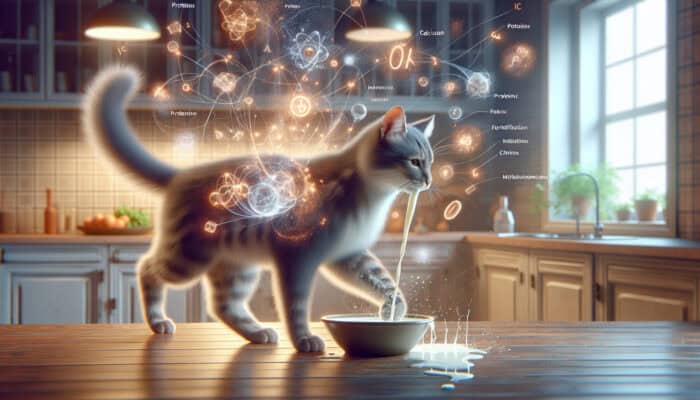
Milk serves as an exceptional source of vital nutrients that play a significant role in enhancing the overall health and well-being of adult cats. This nourishing beverage is packed with essential components such as protein and calcium, both of which are critical for developing robust bones and maintaining healthy muscles. By understanding the extensive nutritional profile of milk, cat owners can make well-informed choices regarding their pets' dietary needs. It is equally important to acknowledge the essential vitamins present in milk, which are crucial for strengthening feline health. Below are some key vitamins that can greatly improve a cat's overall quality of life:
- Vitamin A – Essential for enhancing vision and bolstering immune system function.
- Vitamin D – Vital for effective calcium absorption and the maintenance of bone health.
- Vitamin B12 – Important for the proper functioning of nerves and energy metabolism.
- Riboflavin – Necessary for energy production and supporting healthy growth.
What Key Vitamins Can Cats Gain from Milk Consumption?
Milk contains a variety of essential vitamins that can substantially enhance a cat's overall vitality and health. Notably, vitamins such as A and D play vital roles in boosting energy levels and improving the condition of their fur. Additionally, the absence of artificial additives in natural milk ensures that cats can enjoy these benefits without the risk of exposure to harmful chemicals or preservatives. By thoughtfully incorporating milk into a cat's diet, owners can significantly contribute to their pets' health and vitality, ensuring they thrive in their daily lives.
How Does Milk Serve as a Source of Energy for Cats?
Dairy products, particularly milk, can function as a natural energy booster for adult cats by providing both lactose and fats. These components serve as quick energy sources essential for a cat's daily activities, which include playful interactions and exploring their surroundings. However, it is crucial to introduce milk gradually into an adult cat’s diet to avoid potential complications. Understanding the delicate balance between the benefits of milk and the risks associated with overconsumption is vital for nurturing a healthy lifestyle for your cherished feline companion.
How Can You Safely Integrate Milk into Your Adult Cat's Diet?

Effective Approaches for Integrating Milk into Your Cat's Diet
Introducing milk into a cat's diet should be approached with care and gradualness to effectively monitor their responses and ensure their comfort. Start by offering a small quantity of milk alongside their regular meals, ensuring it complements their established diet for a balanced nutritional intake. This gradual introduction allows the cat to acclimatise to the new dietary addition without overwhelming their digestive system. Observing their reactions is crucial; positive responses may encourage an increase in milk consumption over time, reinforcing healthy dietary habits.
Common Methods for Preparing Milk for Your Cat
There are several effective techniques for preparing milk that can enhance its digestibility for cats. One popular method involves diluting milk with water, which can help lower the concentration of lactose, making it more digestible for certain cats. Additionally, gently warming the milk can increase its appeal, mimicking the temperature of fresh milk. These simple preparation methods not only broaden a cat's dietary options but also enhance their enjoyment of milk, resulting in a more satisfying eating experience.
How to Monitor Your Cat's Reaction to Milk?

Monitoring a cat's behaviour after consuming milk is essential to ensure they are experiencing positive effects. Look for signs of enjoyment, such as eagerness to drink and a relaxed demeanor afterwards. Conversely, it is equally important to remain vigilant for any adverse reactions, including vomiting or gastrointestinal discomfort. Adjusting the portions based on each cat's individual tolerance levels is crucial for their well-being. Each cat is unique, and what works for one may not be suitable for another, making continuous monitoring a key aspect of successful feeding practices.
Is Milk Truly Beneficial for Adult Cats?
What Factors Contribute to the Health Benefits of Milk?
When included thoughtfully in a cat's diet, milk can provide numerous advantages, thanks to specific elements that enhance their overall health. It offers hydration, which is essential for cats, along with vital minerals that promote well-being. These components can transform milk into a valuable dietary supplement when included appropriately. Understanding these benefits empowers cat owners to make informed decisions about how to incorporate milk into their pet's daily routine, ultimately supporting a healthier lifestyle for their feline companions.
How Does Milk Aid in Feline Hydration?
One of the most remarkable advantages of milk for adult cats is its capacity to assist in maintaining hydration. With its high fluid content, milk can help keep cats hydrated throughout the day. This is particularly important for their daily activities, especially in warmer climates where maintaining hydration becomes critical. By seamlessly integrating milk into their diet, cat owners can help prevent dehydration, thereby enhancing the health and vitality of their feline companions.
What Risks Are Associated with Excessive Milk Consumption?
While milk offers various benefits, it is crucial to understand that overconsumption can lead to a host of health issues. Excessive milk intake may result in digestive problems, such as diarrhea and discomfort. Cat owners must appreciate the importance of moderation to maximise the advantages of milk while avoiding negative effects. By managing milk intake wisely, pet owners can ensure that their cats enjoy the positive aspects of dairy without compromising their health and well-being.
Understanding Lactose Intolerance in Adult Cats
Lactose intolerance is a prevalent condition among adult cats, indicating that many are unable to effectively digest the sugars found in milk. This intolerance can lead to symptoms such as diarrhea, vomiting, and gastrointestinal discomfort following the consumption of dairy products. Cat owners should remain vigilant about this condition and consider offering lactose-free alternatives to prevent health complications. Being attentive to individual cat reactions is vital for maintaining their well-being and ensuring a happy, healthy pet.
Expert Insights on the Role of Milk in Adult Cats' Diets
What Does Research Indicate About Milk's Nutritional Significance?
Research has highlighted that milk can play a significant role in supporting cat nutrition. Studies emphasise the importance of integrating milk into a balanced diet, demonstrating its potential to enhance overall health and vitality. For example, cats that receive milk as part of their regular meals often show improved energy levels and healthier coats. By following actionable steps based on these research findings, cat owners can optimise their pets' diets for long-term health benefits and happiness.
Veterinary Perspectives on the Advantages of Milk
Veterinarians recognise the various contributions that milk can make to feline health and provide strategies for its effective integration into their diets. Many professionals advocate introducing milk in moderation as a treat or supplement to enhance nutritional intake. Real-world examples include cats that exhibit increased vitality and improved coat conditions after incorporating small amounts of milk into their daily routines. These cases highlight the potential advantages of milk when used judiciously and responsibly within a cat's diet.
What Are the Long-Term Effects of Including Milk in a Cat's Diet?
Experts recommend monitoring for sustained benefits when integrating milk into a cat's diet. Observing changes over time can provide valuable insights into how milk contributes to overall health and vitality. By taking actionable steps—such as gradual introduction and careful portion control—owners can optimise the role of milk in their pet's daily routine. Staying attuned to their cat's needs ensures lasting health benefits, contributing to a happier, healthier life.
What Health Advantages Does Milk Provide for Cats?
How Does Milk Strengthen the Immune System?
Milk plays an essential role in bolstering a cat's immune response. The antibodies and proteins present in milk can significantly reduce the frequency of illnesses over time, thereby supporting overall health. Expert analysis suggests that a balanced inclusion of milk in a cat's diet can enhance immunity, making it a valuable dietary component for maintaining optimal health. This is particularly important for older cats or those with existing health concerns, as a strong immune system can greatly improve their quality of life.
How Does Milk Support Bone Strength and Health?
The calcium content found in milk is crucial for fortifying the bones of adult cats. This vital mineral plays a significant role in preserving strong bone health, which directly impacts mobility and overall strength. Cats that incorporate milk into their diets typically exhibit enhanced skeletal integrity, enabling them to engage in their natural behaviours effectively. Ensuring that cats receive adequate calcium from sources like milk can greatly improve their quality of life, contributing to their long-term health and activity levels.
What Overall Wellness Improvements Can Milk Provide?
Milk can positively influence general health in cats by supporting various bodily functions. Its nutritional profile is rich in essential nutrients that contribute to overall well-being. From boosting energy levels to promoting a glossy coat, milk serves as a versatile dietary element. Cat owners can reap these benefits by thoughtfully incorporating milk into their pet's diet, aligning with their health needs and lifestyle for enhanced vitality and happiness.
Research-Validated Advantages of Milk for Adult Cats
What Do Nutritional Studies Reveal About Milk's Benefits?
Nutritional research emphasises the significance of milk in cat diets, highlighting its contributions to improved health outcomes. Findings indicate that incorporating milk can lead to enhancements in energy levels, coat condition, and overall vitality. To leverage this research effectively, cat owners can implement practical strategies for seamlessly integrating milk into their pets' routines, maximising the potential benefits it offers for their health and happiness.
How Does Milk Support Digestive Health?
Research suggests that milk can aid the digestive processes of cats when utilised appropriately. The presence of specific components in milk, such as proteins and fats, can work harmoniously with a cat's digestive enzymes. Real-world examples demonstrate that cats experiencing digestive issues often benefit from the careful introduction of milk into their diets, resulting in improved digestive health and comfort.
Are There Long-Lasting Health Improvements from Milk Consumption?
Evidence suggests that milk can provide ongoing health benefits for adult cats, provided it is consumed safely and in moderation. Strategies for ensuring its beneficial effects include carefully monitoring intake and adjusting portions to align with individual dietary needs. By fostering a positive relationship with milk, cat owners can help their pets maintain optimal health and well-being over time, promoting a fulfilling and vibrant life.
How Does Milk Affect Cat Digestion?
What Digestive Enzymes Are Found in Milk?
Milk contains components that can positively interact with a cat's digestive enzymes, potentially facilitating digestion for many adult cats. The combination of proteins and fats in milk can assist in breaking down food more efficiently, thereby promoting better nutrient absorption. Understanding how these components work together allows cat owners to effectively leverage milk for digestive support, enhancing their pets' overall health.
Is There Potential for Lactose Tolerance in Cats?
Some cats may manage the lactose in milk better than others, positively influencing their digestive comfort. Factors such as age and genetics can significantly determine a cat's ability to digest lactose. For those cats who demonstrate tolerance, milk can provide enjoyable hydration and nutritional benefits. It is essential for owners to assess their individual cat's reactions to milk to ensure optimal incorporation into their diets without adverse effects.
How to Address Any Digestive Side Effects from Milk?
To address potential digestive issues that may arise from milk consumption, adjusting the intake is crucial. If a cat exhibits discomfort after drinking milk, owners may need to reduce the portions offered or consider lactose-free alternatives. Ensuring that milk remains a positive dietary choice involves careful observation and a willingness to adapt to the cat's evolving needs over time.
Common Misconceptions About Milk and Cats
What Myths Surround the Safety of Milk for Cats?
A widespread misconception is that milk is always harmful to cats, but this statement is not universally accurate. When managed appropriately, milk can serve as a safe and beneficial addition to an adult cat's diet. Understanding the factors that contribute to safe milk consumption empowers cat owners to make informed decisions that enhance their pets' health and happiness.
What Is the Reality Regarding Milk's Suitability for Cats?
Not all types of milk are created equal, making it essential for cat owners to make informed choices regarding milk's suitability for their pets. While traditional cow's milk may pose challenges for some cats, alternatives such as lactose-free or specially formulated cat milk can provide safe options. Recognising these distinctions helps ensure that cats receive the right nutrients without encountering adverse effects from unsuitable products.
How Can We Correct Common Misunderstandings Regarding Milk?
Many individuals mistakenly believe that milk is universally detrimental to cats, but this perception can be misleading. When used wisely and in moderation, milk can offer several potential benefits. Educating cat owners about the nuanced role of milk in feline diets can help dispel unfounded fears and promote a more balanced approach to their pets' nutrition.
What Is the Truth About Cats and Lactose Intolerance?
While many assume that all cats are lactose intolerant, this is not always the case. Individual genetics and age can significantly impact a cat's ability to digest lactose. Owners can introduce small amounts of suitable milk while monitoring for signs of discomfort, such as vomiting or diarrhoea, and consult a veterinarian if needed to ensure their pet's health and happiness.
What Alternatives to Cow's Milk Are Available for Cats?
For cats that cannot tolerate traditional cow's milk, lactose-free or plant-based alternatives specifically designed for felines present safer options. These products provide essential nutrients without causing digestive upset, helping to maintain hydration while allowing owners to treat their pets responsibly. Exploring these alternatives ensures that every cat can enjoy a dairy-like experience without the drawbacks associated with regular milk.
Optimal Practices for Safe Milk Consumption in Cats
What Are the Recommended Practices for Integrating Milk into Cats' Diets?
When incorporating milk into a cat's diet, adhering to best practices is essential to ensure safety and effectiveness. Owners should opt for high-quality, low-lactose milk options to minimise the potential for digestive issues. Here are some daily tips for successfully adding milk to your cat’s diet:
- Introduce milk gradually to monitor each cat's tolerance levels.
- Select lactose-free options if you suspect sensitivity to lactose.
- Limit portion sizes to prevent any digestive discomfort.
- Utilise milk as an occasional treat rather than making it a dietary staple.
How to Identify Positive Reactions to Milk in Cats?
Monitoring for indicators that milk is well-received by cats is a vital aspect of establishing healthier feeding habits. Signs of acceptance include excitement during feeding time, eagerness to drink, and a relaxed demeanor afterwards. Observing these behaviours can enhance the overall feeding experience for both the owner and the cat, fostering a stronger bond and ensuring a harmonious relationship.
How to Tailor Milk Intake Based on Individual Cat Needs?
Customising milk consumption to fit individual cats is vital for achieving the best health outcomes. Each cat possesses a unique health profile that may dictate their dietary requirements. By focusing on their specific needs and adjusting milk intake accordingly, owners can ensure that their feline companions reap the benefits of milk while maintaining their overall health and wellness effectively.
Frequently Asked Questions
Can all cats safely consume milk?
Not all cats can safely consume milk due to varying levels of lactose intolerance. Individual digestive capabilities can differ widely, making it essential to monitor each cat's reaction to milk and consider alternatives if adverse symptoms occur.
What type of milk is optimal for adult cats?
Lactose-free milk or specially formulated cat milk is often the best choice for adult cats. These options provide hydration and vital nutrients without the risk of digestive issues associated with regular cow's milk, ensuring a healthier choice for your feline.
How much milk can I safely provide to my cat?
Moderation is crucial when offering milk to cats. A small amount, such as a tablespoon, can be provided as an occasional treat, but it should not exceed more than 10% of their daily caloric intake to maintain a balanced diet and avoid health complications.
What are the signs of lactose intolerance in cats?
Signs of lactose intolerance in cats may include diarrhoea, vomiting, and gastrointestinal discomfort following milk consumption. If these symptoms appear, it is advisable to discontinue milk and consult a veterinarian for further guidance and support.
Is milk beneficial for older cats?
Milk can offer benefits for older cats by providing hydration along with valuable nutrients. However, it is crucial to evaluate their individual tolerance levels and ensure that it fits well into their overall diet without causing digestive issues.
Can I use milk as a reward during training sessions for my cat?
Milk can serve as an occasional reward during training sessions, provided that the cat tolerates it well. It is essential to keep portions small and ensure it complements a balanced diet to prevent any adverse effects from overconsumption.
How does milk affect a cat's fur condition?
The proteins and fats present in milk can contribute to a healthier coat condition in cats, enhancing shine and softness. Regular, moderate consumption may improve the overall appearance and texture of their fur, promoting a vibrant and healthy look.
Are there any risks associated with daily milk consumption for my cat?
Offering milk daily can pose potential risks, such as digestive upset or obesity if consumed in excess. It is advisable to treat milk as an occasional indulgence rather than a daily staple to mitigate these risks and maintain a healthy diet for your feline companion.
What should I do if my cat has a negative reaction to milk?
If your cat exhibits a negative reaction to milk, discontinue its use immediately and consult a veterinarian. They can provide guidance on suitable dietary alternatives or necessary treatments to ensure your cat's well-being and comfort.
Can kittens drink milk?
Kittens should consume their mother’s milk or a specially formulated kitten milk replacer. Cow's milk is not suitable for kittens, as it can lead to digestive issues due to their inability to effectively digest lactose found in dairy products.
Connect with us on Facebook!
The Article Milk Is Good for Adult Cats: Key Benefits Explained First Published On https://elgatoencasa.com
The Article Key Benefits of Milk for Adult Cats Explained Was Found On https://limitsofstrategy.com
The Article Milk for Adult Cats: Key Benefits Uncovered found first on https://electroquench.com