Evaluating Your Monthly Income Sources
Determining Your Net Income After Deductions
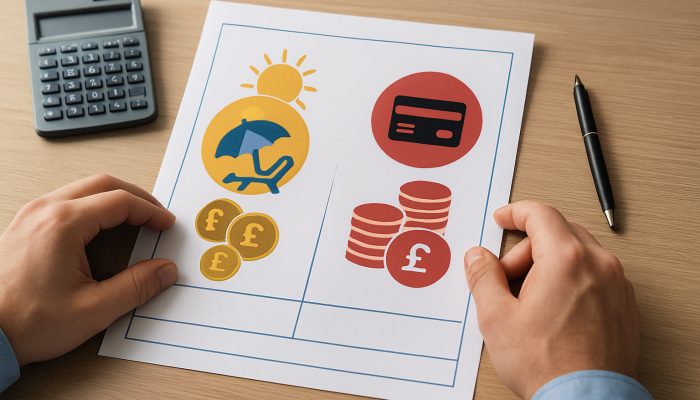
Understanding your payslips is essential for grasping your net income, which represents the amount you actually receive after accounting for tax and National Insurance contributions. This figure is fundamental for managing your finances effectively, enabling you to balance recreational spending with debt repayments. In the UK, having a clear insight into your take-home pay is vital, as it directly influences your budgeting decisions.
To calculate your net income accurately, collect your payslips from the past few months. Pay particular attention to the total deductions for income tax and National Insurance, as these can differ based on your earnings and tax code. Once you ascertain your net income, you can strategically plan how to distribute this amount between leisure activities and debt obligations.
Exploring Additional Income Sources
When drafting a budget, it is crucial to account for all potential income sources, including supplementary earnings such as pension contributions, rental income, or various benefits. These sources can significantly improve your overall financial standing. By assessing these income streams, you can establish a more precise total monthly income, which is essential for determining appropriate allocations for leisure and debt repayment.
For instance, if you earn rental income from a property, it should be included in your total monthly earnings. Similarly, any benefits received, such as Child Benefit or Universal Credit, must also be factored in. Acknowledging all income sources allows you to create a more equitable and realistic budget.
What Impact Does Overtime Have on Your Budget?
Overtime can significantly influence your budgeting, especially if you have irregular shifts or the opportunity to take on additional hours. This extra income provides you with greater flexibility in allocating funds for leisure or debt repayment. Understanding the variability in your earnings enables you to make informed financial choices.
When considering overtime, it is prudent to average your earnings over several months to determine how much additional income you can reliably expect. This method helps you avoid overcommitting to leisure activities based on inflated income forecasts that may not be sustainable long-term.
Regularly Reviewing Investment Dividends and Savings Interest

Income derived from dividends or interest can significantly enhance your monthly earnings. Regularly reviewing these figures allows for accurate allocation towards leisure and outstanding debt repayments. In the UK, many individuals invest in stocks or maintain savings accounts that yield interest, positively impacting their overall financial wellbeing.
To effectively incorporate this income into your budgeting, keep track of dividend payments and interest earned. This can be easily managed through online banking or investment platforms. By including these amounts in your monthly income, you can develop a more comprehensive budget that supports both enjoyment and responsible debt management.
Incorporating Rental Income from Properties
<pIf you rent out properties, it is crucial to accurately account for this income in your overall monthly earnings calculation. In the UK, rental income can significantly bolster your financial resources, enabling you to allocate more funds towards leisure or debt repayment. Understanding how this income fits within your budget is key to making informed financial decisions.
When calculating rental income, consider all associated expenses, such as maintenance costs, insurance, and property management fees. This approach provides a clearer understanding of your disposable income. By doing so, you ensure that your budget accurately reflects the realities of being a landlord while still allowing for enjoyable activities.
Expert Insights on Budgeting for Leisure and Debt Management
Real-Life Case Studies from UK Households

Examining case studies of UK families that successfully balance leisure expenses with credit card repayments provides practical insights into effective allocation strategies. For example, a family earning £3,000 per month may allocate 20% for leisure and 30% for debt repayment, demonstrating a balanced approach to financial health.
Another scenario could involve a single professional earning £2,500 monthly, who designates 15% for leisure and 40% for debt. These examples illustrate how varying income levels and personal circumstances can influence the percentages selected, offering relatable context for readers to consider their own financial situations.
Step-by-Step Methods for Tracking Your Expenses
Creating a spreadsheet to log weekly expenditures is an effective method for monitoring your spending and refining your chosen percentages over time. By categorising your expenses into leisure and debt repayment, you can easily track where your money is allocated and make necessary adjustments.
Consider using budgeting apps or software that can assist in automating this process. Regularly reviewing your spending patterns empowers you to make informed decisions regarding income distribution, ensuring you stay on track with your financial goals.
Understanding Tax Implications on Your Income
Assessing how interest deductions interact with personal savings allowances is essential for making informed financial decisions in the UK. Grasping the tax implications of your earnings, including any reliefs or allowances, can guide you in determining how much to allocate for leisure versus debt repayment.
For instance, if you earn interest on savings, being aware of the tax-free allowance can assist in deciding whether to reinvest that income or allocate it for leisure pursuits. Consulting with a tax professional can provide clarity in these matters, ensuring you optimise your financial strategy while adhering to regulations.
Understanding the Accumulation of Debt Interest
Assessing Credit Card Interest Rates
High Annual Percentage Rates (APRs) on outstanding balances can rapidly increase the total amount owed. It is crucial to compare providers when deciding how much to allocate for repayments versus leisure. Understanding the terms of your credit agreements can aid in making informed financial choices.
For example, if you possess a credit card with a 20% APR, the interest on any outstanding balance can accumulate quickly. Prioritising repayments on high-interest debts can reduce the overall cost and free up more funds for leisure activities in the future.
What Role Does an Emergency Fund Play?
Establishing an emergency fund is a vital step before determining the division between leisure and debt repayment. Having a financial safety net prevents unexpected expenses from disrupting your leisure plans while you steadily reduce liabilities. Ideally, aim to save three to six months’ worth of expenses in an easily accessible account.
This cushion enables you to manage unforeseen costs without resorting to credit, which could complicate your debt situation further. By prioritising an emergency fund, you create a more stable financial foundation that supports both enjoyment and responsible debt management.
Research-Backed Advantages of Budgeting for Leisure and Debt
- Enhanced financial awareness
- Increased motivation during repayment phases
- Reduced financial stress
- Improved control over spending habits
- Balanced lifestyle choices
- Greater savings potential
- Better preparation for future financial objectives
Maintaining a clear distinction between leisure and debt repayment can yield numerous benefits. By assigning specific percentages for each area, you can stay motivated during repayment phases while still enjoying life. This balance fosters a healthier relationship with money.
Adjusting for the Impact of Inflation
Monitoring rising prices is essential to ensure that your allocated percentages remain feasible without compromising leisure activities or debt progress. <a href=”https://www.debtconsolidationloans.co.uk/how-inflation-impacts-debt-consolidation-loans-a-guide/”>Inflation</a> can erode purchasing power, necessitating regular reassessment of your budget. By staying informed about economic trends, you can make timely adjustments to your financial plan.
For example, if inflation rates rise significantly, you may need to increase the percentage allocated for leisure to maintain your quality of life. Conversely, you might prioritise debt repayment if interest rates also increase. Being proactive about these changes ensures that your budgeting remains effective and aligned with current economic conditions.
Establishing Realistic Allocation Percentages
The Benefits of Balanced Spending
Allocating funds for enjoyable activities can significantly enhance your mental wellbeing. By allowing yourself to indulge in leisure while managing debt, you alleviate the stress associated with strict repayment schedules. This balance encourages improved overall financial adherence and a healthier mindset.
A balanced approach to spending also helps prevent burnout. When you designate resources for both leisure and debt repayment, you create a sustainable financial plan that fosters consistent progress towards personal satisfaction and financial freedom.
Enhancing Mental Wellbeing Through Leisure Activities
Setting aside funds for enjoyable pursuits is crucial for sustaining mental wellbeing. Participating in leisure activities can mitigate the stress often linked with rigid repayment schedules. This balance permits you to enjoy life while remaining mindful of your financial obligations, promoting improved overall financial discipline.
By prioritising leisure activities, you cultivate a more fulfilling lifestyle that supports your mental health. This approach fosters a positive relationship with money, making it easier to adhere to your repayment plans without feeling deprived.
How Do Rewards Programmes Contribute to Your Budget?
Utilising cashback schemes on everyday purchases can enhance either your leisure budget or expedite debt clearance, depending on your priorities. Many credit cards and loyalty programmes offer rewards that can be redeemed for cash or discounts, providing additional financial flexibility.
For example, if you have a credit card that offers cashback, you may choose to channel that extra income into supporting leisure activities or debt repayment. By strategically leveraging these rewards, you can improve your financial position while still enjoying life.
Maintaining Long-Term Motivation in Your Budgeting
Establishing sustainable splits between leisure and debt repayment fosters long-term motivation. When individuals allocate funds for both areas, they create a balanced approach that prevents feelings of deprivation. This equilibrium nurtures a healthy relationship with money, making it easier to commit to financial goals.
By celebrating small victories, such as clearing a credit card debt or enjoying a night out, you reinforce positive financial habits. This motivation keeps you engaged in your budgeting efforts, ensuring consistent progress towards both personal satisfaction and financial freedom.
Building Financial Resilience for the Future
Maintaining balanced allocations between debt repayment and leisure activities cultivates financial resilience. By reserving resources for both areas, individuals can establish emergency savings while reducing obligations. This strategy offers protection against unexpected costs and minimises reliance on additional credit during challenging times.
Financial resilience is essential for navigating life's uncertainties. By prioritising both enjoyment and financial responsibilities, you create a more sustainable financial future that promotes your overall wellbeing.
Effective Strategies for Managing Leisure and Debt Budgets
Understanding the Role of Compound Interest
Comprehending how compound interest operates is vital for making informed decisions about debt repayment. Making early repayments can significantly reduce the overall cost of borrowing, motivating individuals to adhere to their chosen percentages for leisure versus debt expenditure. By prioritising high-interest debts, you can save money in the long term.
For example, if you have a credit card debt of £1,000 at a 20% APR, paying it off sooner can save you a considerable sum in interest. This understanding empowers you to make strategic decisions about how to allocate your income effectively.
Maximising Returns by Comparing Savings Account Options
Selecting high-interest savings accounts can optimise returns on any surplus funds set aside from immediate debt or leisure categories. This tactic enables you to grow your savings while managing financial obligations. By researching various savings options, you can identify accounts that offer competitive interest rates and favourable terms.
For instance, consider accounts that provide introductory bonuses or higher rates for regular contributions. These features can enhance your savings potential, allowing you to allocate more funds towards leisure activities or debt repayment in the future.
Insights from Financial Advisers' Success Stories
Presenting anonymised client scenarios illustrates successful percentage frameworks applied within UK regulations. Financial advisers frequently encounter a variety of situations, providing insights into how different clients manage their finances. For example, one couple may allocate 30% for debt repayment while dedicating 20% for leisure, reflecting a balanced strategy.
By exploring these scenarios, individuals can find inspiration for their own budgeting strategies. These real-world examples underscore the importance of tailoring allocations to fit personal circumstances and financial aspirations.
Assessing Your Risk Tolerance in Financial Planning
Evaluating your comfort with financial uncertainty is crucial for establishing appropriate debt repayment percentages versus leisure allocations. Understanding your risk tolerance can guide you in making informed decisions about prioritising debt versus enjoyable activities.
For example, if you have a low risk tolerance, you might prefer to allocate a larger percentage to debt repayment for peace of mind. Conversely, those with a higher risk tolerance may choose to invest more in leisure activities, knowing they can manage their debt effectively. This self-awareness fosters sustainable financial habits that align with UK regulations.
Utilising Lifestyle Changes to Support Your Financial Goals
Effectively Reducing Utility Expenses
Switching utility providers or adopting energy-efficient practices can liberate resources that can be redirected towards either debt repayment or leisure without increasing overall expenditures. In the UK, this may involve comparing tariffs and seeking the best deals for gas, electricity, and water.
By implementing these changes, you can significantly lower monthly bills, allowing for a more adaptable budget. This additional cash can then be allocated towards enjoyable activities or debt repayment, enhancing your overall financial wellbeing.
Participating in Free Local Activities
Engaging in community events and enjoying local parks can help maintain your enjoyment levels while preserving allocated percentages for other financial priorities. The UK boasts numerous free activities, from local festivals to outdoor concerts, which provide entertainment without straining your budget.
By partaking in these activities, you can enjoy life without compromising your financial goals. This approach fosters a balanced lifestyle that supports both enjoyment and responsible debt management.
How Meal Planning Can Help Cut Costs
Preparing meals in advance can significantly reduce grocery expenses, facilitating a more flexible distribution between repayment targets and recreational spending. By planning your meals, you can avoid impulse purchases and minimise food waste, leading to a more efficient budget.
Consider creating a weekly meal plan that incorporates seasonal ingredients and sales. This strategy not only saves money but also enables you to allocate more funds towards leisure activities or debt repayment, enhancing your overall financial strategy.
Tracking Your Progress Over Time
Conducting Monthly Financial Statement Reviews
Regularly reviewing your financial statements helps you assess whether your current percentages align with actual outcomes. This practice encourages timely adjustments to either category, ensuring that your budgeting remains effective and responsive to changing circumstances.
By checking your statements each month, you can identify patterns in your spending and make informed decisions about how to allocate your income in the future. This proactive approach to budgeting nurtures a healthier financial mindset.
The Advantages of Using Budgeting Apps
- Visual progress tracking
- Automated expense categorisation
- Goal-setting features
- Budget reminders
- Easy access to financial data
- Enhanced accountability
- Customisable reporting options
Utilising budgeting apps offers numerous advantages, such as visual progress reports that reinforce your commitment to chosen allocations. These tools simplify the tracking of expenses, goal-setting, and maintaining accountability in your financial plan.
Seeking Professional Financial Guidance
Consulting with qualified financial advisers ensures your strategies comply with UK regulations while optimising outcomes for both leisure and debt repayment. Professional guidance can provide tailored advice based on your unique financial situation, assisting you in navigating complex decisions.
By collaborating with a financial adviser, you can develop a comprehensive plan that balances enjoyment and financial responsibilities. This support enhances your confidence in managing your finances and achieving long-term objectives.
Refining Your Financial Strategy Annually
Adjusting Budgets After Significant Life Events
Major life changes, such as marriage or career transitions, necessitate a reassessment of your allocation percentages to ensure they align with new income and obligation levels. These changes can alter your financial landscape, making regular evaluations of your budgeting strategy essential.
For instance, should you receive a salary increase, you may wish to allocate more towards leisure activities or debt repayment. By remaining adaptable, you can ensure your financial plan evolves alongside your circumstances, supporting your long-term goals.
Celebrating Your Financial Achievements
Acknowledging paid-off debts or accumulated leisure funds helps maintain positive habits without undermining future planning efforts. Celebrating these milestones reinforces your commitment to financial goals and encourages ongoing progress.
Consider rewarding yourself with a small treat or outing upon reaching a financial goal. This positive reinforcement helps sustain motivation and fosters a balanced approach to managing your finances.
Avoiding Common Budgeting Mistakes
Recognising overspending pitfalls is crucial for maintaining discipline across both leisure and debt categories. Common traps include impulsive purchases or neglecting to account for unexpected expenses, which can derail your budgeting efforts.
By being aware of these pitfalls, you can implement strategies to sidestep them. For instance, setting a spending limit for leisure activities can help you remain within budget while still enjoying life.
Evaluating the Effectiveness of Your Financial Allocations
Assessing the impact of annual changes on spending categories enables you to fine-tune allocations to better reflect shifting priorities. This evaluation process enhances overall efficiency and ensures resources are consistently directed towards the most beneficial areas over time.
Consider conducting an annual review of your financial situation, analysing how your allocations have influenced your ability to meet both leisure and debt repayment goals. This reflection can guide future adjustments, ensuring your budgeting remains effective and aligned with your personal values.
Adapting to Economic Conditions
Staying informed about broader economic trends and their potential effects on personal finances enables proactive refinements to your budgeting strategy each year. Economic fluctuations can impact inflation, interest rates, and job security, making it essential to adjust your financial approach accordingly.
By monitoring these trends, you can modify your allocations to safeguard against unforeseen challenges. This proactive strategy supports ongoing progress in wealth accumulation efforts, ensuring you remain on track to achieve your financial objectives.
Frequently Asked Questions
What percentage should I allocate for leisure and debt repayment?
There is no universal answer, but a common guideline suggests allocating 50% for essentials, 30% for leisure, and 20% for debt repayment. Adjust these figures based on your personal financial circumstances and goals.
How can I effectively track my spending?
Using budgeting apps or spreadsheets can help you monitor your expenditures. Regularly reviewing your expenses allows you to understand where your money is going and make necessary adjustments to your allocations.
What should I do if I cannot meet my debt repayments?
If you are struggling with debt repayments, consider reaching out to your creditors to discuss your situation. They may offer alternative payment plans or guidance on managing your debts more effectively.
How often should I review my budget?
It is advisable to review your budget monthly to ensure your allocations align with your financial goals and spending behaviours. Annual reviews can also help you adjust for significant life changes.
What benefits does an emergency fund provide?
An emergency fund offers financial security during unexpected expenses, thus preventing reliance on credit. It enables you to manage your finances more effectively and reduces stress associated with financial uncertainty.
How can I increase my income to enhance my budgeting?
Consider taking on a side job, freelancing, or exploring passive income opportunities such as renting out property. Increasing your income can provide greater flexibility in your budgeting for leisure and debt repayment.
What common pitfalls should I avoid in budgeting?
Common pitfalls include overspending on leisure activities, neglecting to account for irregular expenses, and failing to adjust for changes in income. Being mindful of these traps can help you maintain discipline in your budgeting efforts.
How does inflation affect my budgeting?
Inflation can reduce purchasing power, necessitating adjustments to your budget. Regularly reviewing your allocations and staying informed about economic trends can help you maintain a balanced financial approach.
What role do rewards programmes play in budgeting?
Rewards programmes can offer cashback or discounts that enhance your leisure budget or expedite debt repayment. Using these rewards strategically can improve your financial flexibility and support your objectives.
How can I make budgeting a more enjoyable process?
Incorporate enjoyable activities into your budget, celebrate milestones, and set achievable goals. Making budgeting a positive experience can help you stay motivated and committed to your financial plan.
Visit Our Facebook Profile!
This Article Was First Found On: https://www.debtconsolidationloans.co.uk
The Article Budget Tips for Fun and Debt: Choosing the Right Percentage found first on https://electroquench.com