Ultimate Guide to Frizz Management: Discover Causes and Effective Remedies
What Are the Key Contributors to Frizz Development?
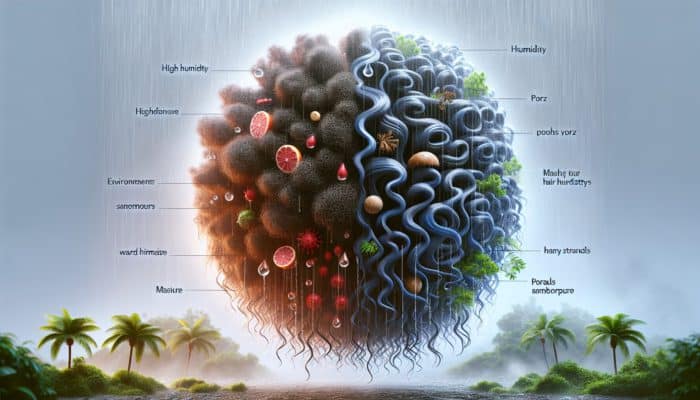
Understanding the nuances of frizz is essential for effective hair care. Frizz is a widespread issue that affects numerous individuals, arising from a variety of environmental elements and the unique traits of different hair types. One of the primary culprits contributing to frizz is humidity, which interacts with hair texture and causes cuticles to lift, leading to frizz. Hair types react differently to moisture; for example, curly hair is particularly susceptible to frizz due to its porous structure, which absorbs more moisture. By identifying the early signs of frizz, individuals can implement proactive measures to effectively lessen its impact.
- High humidity levels
- Heat styling tools
- Frequent washing or insufficient conditioning
- Environmental pollutants
- Use of harsh hair products
- Genetic predisposition
- Damage from chemical treatments
- Infrequent trims
Gaining a comprehensive understanding of the complex relationship between moisture and hair texture is crucial for comprehending the origins of frizz. For instance, fine hair tends to be especially vulnerable to frizz in humid atmospheres, as its cuticles are more prone to lifting. Conversely, coarser hair may display frizz due to uneven moisture distribution along the hair shaft. By pinpointing these causes, individuals can take preventative measures that lead to healthier, smoother hair.
What Key Ingredients Should You Seek in Anti-Frizz Formulations?
To effectively manage frizz, it is essential to select anti-frizz products that are rich in key ingredients focused on enhancing moisture retention and smoothing the hair cuticle. Natural oils such as argan, coconut, and jojoba are renowned for their nourishing and hydrating properties, forming a protective barrier against environmental damage. Furthermore, proteins like keratin are crucial for fortifying hair while diminishing frizz by filling in gaps in the cuticle and smoothing the hair’s surface.
When searching for anti-frizz solutions, prioritising products that incorporate these advantageous ingredients can significantly bolster your frizz control efforts. Seek formulations that achieve a balanced synergy between moisture and protein, specifically tailored to your hair type and individual requirements. This thoughtful equilibrium not only aids in attaining a sleek look but also nurtures the overall health of your hair, ensuring it remains vibrant and manageable.
How Can You Assess the Level of Frizz in Your Hair?
Determining your hair’s frizz levels is a crucial step in crafting personalised strategies for effective frizz management. Start by analysing your hair’s texture both when dry and after washing. A straightforward technique to evaluate the severity of frizz is to run your fingers through your hair and observe how smoothly they glide. If your hair feels coarse or appears fuzzy, this may signify elevated frizz levels, indicating a need for intervention.
Another simple yet effective diagnostic method is the “water test.” Lightly mist your hair with water and monitor how swiftly it absorbs moisture. If your hair quickly takes in water but remains frizzy, it may indicate a necessity for enhanced hydration and protective products. Keeping a record of these evaluations over time can yield valuable insights into the effectiveness of your frizz-control strategies and guide necessary adjustments.
What Are the Common Misconceptions About Frizz and What is the Truth?

Misconceptions about frizz can often mislead individuals on their hair care journeys. A prevalent myth is that frizz solely affects curly hair; however, the reality is that every hair type can experience frizz, especially in humid conditions. Another common misunderstanding is that a simple haircut will resolve frizz issues. While a fresh cut can eliminate split ends that contribute to frizz, it does not address the underlying moisture imbalance that causes it.
Understanding the scientific principles underlying frizz is crucial for effective management. Genetics play a significant role in determining hair structure, making some individuals naturally more susceptible to frizz. Additionally, environmental factors such as humidity and temperature fluctuations can significantly influence frizz levels. Being informed about these realities empowers individuals to devise effective strategies tailored to their unique hair needs while steering clear of misleading myths.
How Can You Identify the Common Causes of Frizz?
Which Daily Habits Contribute to Frizz Problems?
Identifying daily habits that exacerbate frizz is essential for anyone looking to enhance their hair care routine. A common mistake is washing hair too often, which strips it of its natural oils and leads to dryness and frizz. Transitioning to a more balanced washing schedule can help maintain moisture in the hair, gradually reducing frizz over time and promoting healthier strands.
Moreover, the styling tools you use can significantly impact frizz levels. Over-reliance on high-heat styling tools can damage the hair cuticle, resulting in increased frizz. Instead, consider air-drying your hair whenever feasible and using heat protectants during styling. Additionally, switching to silk or satin pillowcases can dramatically reduce friction and help alleviate frizz overnight, leading to smoother hair.
Implementing small yet impactful modifications to your daily hair care routine can greatly enhance your hair’s texture and manageability. By being mindful of these habits, individuals can cultivate a sleeker, more polished appearance, thus minimising the likelihood of experiencing frizz.
What Signs Indicate Underlying Hair Damage?

Often, beneath the surface of frizzy hair lies underlying damage that requires immediate attention. Clear indicators, such as split ends, excessive dryness, and brittleness, are telltale signs that your hair is in need of urgent care. Regularly checking for these signs can help you monitor your hair’s health, allowing for timely interventions to restore its vitality.
To effectively tackle these concerns, incorporating targeted treatments into your hair care routine is essential. Deep-conditioning masks offer the nourishment needed to repair damage and replenish moisture, while regular trims prevent split ends from worsening. Recognising these signs and responding promptly can help maintain your hair’s health and significantly reduce frizz, resulting in a more manageable and attractive mane.
Which Tools Can Help You Track Frizz Patterns Effectively?
Monitoring frizz patterns can greatly enhance your understanding of your hair’s behaviour and needs. One effective strategy is to maintain a hair diary or log, documenting your hair care routine, environmental conditions, and instances of frizz. This practice allows you to identify patterns and triggers that may not be immediately apparent, providing a clearer perspective on your hair’s needs.
Consider noting variables such as weather conditions, products used, and styling techniques on days when frizz is particularly noticeable. Over time, the data collected will assist you in refining your hair care routine and developing personalised strategies to combat frizz based on your unique triggers and hair type.
Expert Techniques for Optimising Your Frizz Control Strategies
What Innovative Formulation Approaches Are Used in Anti-Frizz Products?
Understanding the science behind product formulation can greatly enhance your frizz control strategies. Advanced formulations often combine multiple ingredients that work synergistically to combat frizz. For instance, a product that merges moisturising oils with proteins can provide hydration and structural support, addressing frizz from various angles while ensuring comprehensive care.
When selecting anti-frizz products, look for those that incorporate innovative ingredients such as silicone derivatives, which form a protective barrier around the hair cuticle, preventing moisture loss. Additionally, formulations that include humectants like glycerin can attract and retain moisture, ensuring your hair remains smooth and frizz-free even in humid conditions.
By opting for products designed with these advanced techniques, you can achieve optimal results while tailoring your hair care routine to your specific needs, greatly enhancing your overall frizz control efforts.
How to Personalise Hair Care Routines Based on Your Unique Hair Needs?
Customising your hair care routine according to your specific hair type and texture is crucial for successful frizz management. For instance, individuals with curly hair may find greater benefits from thicker creams or butters that provide added moisture and definition. Conversely, those with finer hair might prefer lightweight sprays that offer control without weighing down their strands.
Real-world examples highlight the importance of customising routines; for example, a person with coarse, curly hair might benefit from incorporating a deep-conditioning treatment every two weeks, while someone with straight hair might achieve better outcomes with daily leave-in conditioners that smooth their texture without causing buildup. By experimenting with various products and techniques, you can discover what works best for your unique hair needs, leading to sustainable results and healthier hair.
What Are the Long-Term Benefits of Enhanced Frizz Control Techniques?
Implementing refined techniques for frizz management offers long-lasting benefits that extend beyond aesthetics. Experts consistently highlight the importance of prevention over correction; establishing a solid foundation of hair health can greatly improve resistance to frizz. Practices such as regular deep conditioning, timely trims, and cautious heat styling contribute to prolonged improvements in hair health and appearance.
Moreover, these habits create a protective barrier against environmental stressors over time, reducing the likelihood of frizz. Individuals who commit to enhancing their hair care methods often notice improved texture, shine, and overall manageability. By prioritising preventive care, you can reduce frizz and enjoy a more satisfying and confident hair journey.
Which Products Are Most Effective for Frizz Control?
How Do Conditioners Assist in Managing Frizz?
Conditioners play a vital role in the fight against frizz, as they help seal moisture within the hair shaft and smooth the cuticle layer. They work by filling gaps caused by damage and roughness, resulting in a more polished and manageable appearance. When selecting a conditioner, choose one tailored to your hair type—thicker, creamier formulations are generally more effective for coarse or curly hair, while lighter, gel-like options tend to be better suited for fine hair.
Incorporating conditioners into your hair care routine can significantly enhance hydration. Regular use of a conditioner, particularly one rich in ingredients such as argan oil or shea butter, delivers essential nutrients to help keep frizz at bay. Consistent application ensures that your hair remains nourished, resilient, and less prone to external factors that contribute to frizz.
What Ingredients Should You Prioritise in Styling Products?
When refining your approach to managing frizz, it is essential to pay close attention to the ingredients found in your styling products. Silicones, such as dimethicone or cyclopentasiloxane, are common ingredients that form a protective barrier around the hair, minimising moisture loss and enhancing shine. These compounds smooth the hair cuticle and are effective in combating frizz.
Here are essential ingredients to consider:
- Silicones (e.g., dimethicone)
- Natural oils (e.g., argan oil, <a href=”https://amitys.co.uk/best-essential-oils-for-hair-growth-a-comprehensive-guide/”>jojoba oil</a>)
- Glycerin (a humectant)
- Proteins (e.g., hydrolysed keratin)
- Shea butter (for added moisture)
- Aloe vera (for hydration)
- Coconut oil (for nourishment)
- Panthenol (for smoothness)
Choosing products that incorporate these beneficial ingredients can significantly enhance your frizz control efforts, resulting in smoother and more manageable hair over time.
What Alternatives Should You Consider for Sensitive Hair Types?
For individuals with sensitive hair types, selecting gentle, non-irritating products is crucial to minimise frizz without causing further harm. Look for formulations labelled as “sulfate-free” or “paraben-free” to avoid harsh chemicals that could exacerbate sensitivity. Instead, opt for products enriched with natural botanicals that offer hydration without the risk of irritation.
Gentler alternatives, such as leave-in conditioners containing soothing ingredients like chamomile or calendula, can help maintain moisture levels while reducing frizz. Incorporating lightweight oils, such as argan or marula, nourishes hair without weighing it down, making them ideal for fine or sensitive hair types.
By thoughtfully selecting products, individuals with sensitive hair can effectively manage frizz while preserving their hair’s health and integrity, resulting in smooth, beautiful locks.
Research-Supported Strategies for Long-Lasting Frizz Management
Why Is Consistency Essential in Frizz Control?
Consistency serves as the cornerstone of effective frizz management, as the regular application of techniques and products yields cumulative benefits over time. The hair cuticle requires ongoing care to remain smooth and resilient against environmental stressors. Neglecting to maintain your routine may lead to a resurgence of frizz and damage, counteracting any progress made through diligent care.
Research indicates that a stable regimen, including regular deep conditioning and protective styling, can significantly enhance your hair’s overall health. Each application builds upon the prior one, reinforcing moisture levels and promoting a smoother cuticle. Those who prioritise consistency often find their hair becoming increasingly manageable, resulting in long-term reductions in frizz and improved hair health.
How Can You Integrate Protective Measures into Your Hair Care Routine?
Incorporating protective measures into your hair care regimen is vital for shielding against factors that lead to frizz. For example, using heat protectants creates an invisible barrier during thermal styling, preventing moisture loss and protecting the cuticle from damage. Additionally, opting for silk or satin pillowcases can minimise friction while sleeping, reducing the risk of frizz caused by overnight rubbing and tangling.
Another effective technique is to wear hair wraps or caps while sleeping, which can help maintain hairstyles and reduce frizz-inducing friction. Layering these protective measures ensures your hair remains safeguarded against environmental stressors, preserving its health, shine, and smoothness over time.
How Can You Measure Progress in Your Frizz Management Approaches?
Monitoring your progress in frizz management allows for effective fine-tuning of your strategies. Observing visible changes in texture, manageability, and overall health can provide insights into which methods are effective and which may need adjustment. Regularly assess your hair’s condition by taking photos or keeping a log of your routine and its outcomes.
Consider variables such as weather conditions, products used, and styling techniques when evaluating your progress. This ongoing observation empowers individuals to refine their approaches, adjusting based on their hair’s specific needs and responses over time, ultimately promoting healthier, frizz-free hair.
How Can You Tailor Strategies for Different Hair Types?
Recognising that different hair types require customised strategies for effective frizz management is essential. Research indicates that curly hair generally benefits from richer creams that provide enhanced moisture and definition, while straight hair typically thrives with lightweight serums that avoid adding excess weight.
Additionally, consider adjusting your routine according to seasonal changes; during humid summer months, you may need to increase your use of anti-humidity products to combat frizz. Customising your strategy not only enhances the efficacy of your frizz-management techniques but also ensures that your hair remains healthy and vibrant throughout the year.
What Role Does Nutrition Play in Supporting Hair Health?
Nutritional support plays a pivotal role in maintaining optimal hair health and reducing frizz. Research indicates that a balanced diet rich in vitamins and minerals, such as biotin, omega-3 fatty acids, and vitamins A and E, can strengthen hair and promote moisture retention, ultimately leading to reduced frizz.
Incorporating foods such as salmon, nuts, seeds, and leafy greens can bolster your hair’s resilience against frizz. Staying hydrated is equally crucial; drinking plenty of water helps maintain moisture levels in the hair, contributing to a smoother appearance. If necessary, supplements can provide targeted support, ensuring your hair receives the essential nutrients required for long-term vitality.
Why Is Ongoing Maintenance Crucial for Effective Frizz Management?
What Continuous Care Is Required to Prevent Frizz from Recurring?
Ongoing care is essential for preventing frizz from resurfacing, as consistent maintenance routines sustain results. Establishing a regimen that incorporates regular deep conditioning, trims, and moisture-retaining techniques is vital for keeping hair healthy and resilient against environmental factors that contribute to frizz.
Simple practices, such as using a silk scarf or pillowcase to reduce friction while sleeping, can significantly improve the condition of your hair over time. Furthermore, avoiding over-washing and opting for hydrating shampoos can further support moisture retention. By integrating these habits, individuals can diminish frizz and maintain smoother hair over time, creating a more enjoyable hair experience.
How Can You Adapt Techniques According to Seasonal Changes?
Adjusting your frizz-control techniques to reflect seasonal changes is essential for maintaining hair health. For instance, during humid summer months, using anti-humidity products more frequently can help counteract frizz caused by excess moisture in the environment. Conversely, winter may require additional hydration due to dry indoor heating, prompting the use of heavier moisturisers or oils.
Modifying your routine based on seasonal factors ensures that your hair remains protected and looks its best throughout the year. Staying attuned to these changes facilitates a proactive approach to frizz management, enhancing the overall hair care experience and effectiveness.
How Can You Develop a Sustainable Frizz Prevention Strategy?
Creating a sustainable frizz prevention plan involves establishing a balanced regimen that encompasses all facets of hair care. Regularly scheduled deep-conditioning treatments, trims, and moisture-sealing products should be core components of your routine to ensure lasting effects.
Consider setting reminders for these treatments, incorporating them into your monthly calendar, and adjusting your daily regimen based on weather conditions. By adopting a holistic approach to hair care and committing to sustainable practices, individuals can significantly reduce frizz and promote long-term hair health, ensuring that their hair remains vibrant and manageable.
How Can You Integrate Nutrition and Lifestyle for Optimal Frizz Management?
Incorporating nutrition and lifestyle choices into your hair care routine is essential for optimal frizz maintenance. A diet rich in vitamins, minerals, and healthy fats can enhance hair resilience, while staying hydrated significantly contributes to moisture retention and overall hair health.
Furthermore, lifestyle elements such as stress management, adequate sleep, and regular exercise can influence overall hair health. Engaging in stress-reducing activities like yoga or meditation can lower cortisol levels, positively impacting hair condition. By considering these lifestyle factors alongside your hair care routine, you can cultivate a comprehensive strategy that promotes lasting frizz control and healthy hair.
Advanced Techniques for Managing Various Hair Types
What Specialised Techniques Are Effective for Curly Hair Management?
Curly hair necessitates unique techniques to effectively manage frizz, as its distinctive structure makes it more prone to moisture absorption. A primary approach is to prioritise hydration; using leave-in conditioners or curl creams specifically formulated for curly textures can help define curls while minimising frizz.
Additionally, techniques such as the “plopping” method—where damp hair is placed in a cotton t-shirt to dry—can enhance curl definition while reducing frizz associated with traditional towel drying. Regular deep conditioning treatments are vital, as they provide the hydration necessary to keep curls healthy and bouncy, ensuring they remain well-defined.
By incorporating these specialised techniques, individuals with curly hair can achieve improved manageability and significantly reduced frizz, allowing their natural texture to shine.
What Methods Are Effective for Straight Hair Frizz Control?
For individuals with straight hair, effective frizz control requires a distinct approach focused on smoothing and enhancing shine. Lightweight serums or anti-frizz sprays, often containing silicones, are beneficial in sealing the cuticle and minimising static, which is particularly advantageous in dry or windy conditions that may lead to frizz.
Utilising a boar-bristle brush when styling can further aid in distributing natural oils throughout the hair while smoothing raised cuticles. Regular conditioning treatments and avoiding excessive heat styling will help maintain the health of straight hair and prevent frizz, resulting in a sleek, polished appearance.
By employing these techniques, individuals with straight hair can maintain smooth, polished locks while effectively managing frizz, ensuring their hair looks its best.
How Can You Blend Techniques for Mixed Hair Textures?
Managing mixed textures necessitates a flexible approach that addresses the individual needs of each hair type. For those with varying hair textures, customising products can be effective: apply heavier creams or oils to drier areas while using lighter products on finer sections to achieve optimal results across the board.
An effective strategy is to utilise diffusers when drying curly sections while straightening the straighter parts of hair. This combination allows for a cohesive look while preserving the unique characteristics of each texture, promoting uniformity and reducing frizz throughout the head.
By embracing and tailoring techniques to accommodate mixed textures, individuals can achieve a harmonious balance that minimises frizz while enhancing the overall appearance and health of their hair.
What Techniques Are Most Effective for Reducing Frizz in Fine Hair?
Fine hair presents unique challenges in managing frizz; heavier products can weigh it down, reducing volume. Therefore, it is vital to focus on lightweight formulations when caring for fine hair. Seek serums or sprays specifically designed for fine textures that provide essential hydration without adding excess weight.
Additionally, using a wide-tooth comb on damp hair can help detangle without causing breakage or increasing frizz. Regular trims are also crucial for maintaining the integrity of fine hair, preventing split ends that could worsen frizz. By applying these tailored techniques, individuals with fine hair can minimise frizz while enhancing volume and shine, resulting in a smoother, more resilient texture.
How to Integrate Frizz Control into Your Everyday Routine?
What Effective Morning Practices Can Assist in Reducing Frizz?
Starting your day with effective morning practices can significantly influence your frizz management throughout the day. Begin by applying a lightweight leave-in conditioner or anti-frizz serum to damp hair before styling. This step not only hydrates but also acts as a protective barrier against environmental factors that may contribute to frizz later on.
If you plan to use heat tools, consider applying a heat protectant to minimise damage and help seal moisture within the hair. Furthermore, employing techniques such as finger-coiled curls or using a diffuser to enhance your natural texture can promote definition while preventing frizz. These minor adjustments to your morning routine can dramatically impact your hair’s appearance and manageability throughout the day.
What Evening Practices Support Overnight Hair Protection?
Implementing nighttime practices can effectively shield your hair from elements that cause frizz while you sleep. Consider wrapping your hair in a silk or satin scarf to reduce friction and prevent overnight damage. This practice can lead to smoother hair by minimising tangles and frizz, contributing to a more manageable style in the morning.
Moreover, applying a light leave-in conditioner or hair oil before bedtime can nourish your hair overnight, ensuring it remains hydrated. This proactive approach aids in maintaining optimal moisture levels and reduces the likelihood of morning frizz, setting you up for a good hair day and improving your hair’s overall health.
How Do Lifestyle Choices Affect Long-Term Frizz Management?
Lifestyle choices significantly impact long-term frizz management; daily habits can either enhance or detract from your hair’s health. Factors such as diet, hydration, and stress levels all influence the condition of your hair. A balanced diet rich in vitamins and minerals supports hair resilience, while adequate hydration helps maintain optimal moisture levels, reducing the risk of frizz.
Additionally, lifestyle factors such as regular exercise and effective stress management can positively affect overall well-being, which, in turn, reflects on your hair’s health. By making mindful lifestyle choices, individuals can create a supportive environment for their hair, decreasing the chances of frizz and promoting long-term health and manageability.
Frequently Asked Questions
What Is the Most Effective Method to Prevent Frizz?
Preventing frizz starts with maintaining proper hydration and moisture balance in your hair. Using anti-frizz products, avoiding excessive heat styling, and incorporating regular deep-conditioning treatments can significantly reduce frizz, keeping your hair smooth and healthy.
Are Anti-Frizz Products Suitable for All Hair Types?
Indeed, anti-frizz products can benefit all hair types. However, it is vital to choose formulations specifically tailored to your hair texture for optimal results without weighing your hair down.
How Often Should I Wash My Hair to Minimise Frizz?
Washing your hair too frequently can strip it of natural oils, resulting in dryness and frizz. Aim to wash your hair 2-3 times weekly, adjusting based on your hair type and lifestyle.
Are There Natural Remedies for Controlling Frizz?
Natural remedies like coconut oil, argan oil, and aloe vera can be effective in managing frizz. Applying these oils can help moisturise and smooth the hair cuticle, significantly reducing frizz and improving your hair’s overall texture.
How Does Humidity Contribute to Frizz Formation?
Humidity causes hair to absorb moisture from the air, which can lift the cuticle and lead to frizz. Understanding how humidity interacts with your hair type can assist you in selecting appropriate products for effective frizz control.
Is Using Heat Protectant Products Necessary?
Yes, using heat protectants is crucial when styling with heat tools. They protect your hair from damage and prevent moisture loss, which can lead to increased frizz and compromised hair health.
How Can I Assess My Hair’s Frizz Level?
You can evaluate your hair’s frizz level by observing its texture when dry and after washing. Signs such as roughness or difficulty in styling may indicate higher frizz levels that require immediate attention and care.
Can Diet Influence Frizz Levels?
Absolutely! Maintaining a balanced diet rich in vitamins and minerals can promote healthier hair, thus reducing frizz. Foods high in omega-3 fatty acids and hydration are particularly beneficial for maintaining moisture balance and overall hair health.
Why Is Regular Trimming Important for Frizz Control?
Regular trims help prevent split ends and damage, which can worsen frizz. Keeping your ends healthy ensures that your hair appears smoother and reduces frizz over time, contributing to an overall healthier look.
How Can I Manage Frizz Across Different Seasons?
Managing frizz seasonally involves adjusting your routine according to weather conditions. In humid months, utilise anti-humidity products; during winter, focus on hydration to combat dryness and frizz.
Discover our world on Facebook!
The Article: Refining Frizz Control Techniques: Essential Tips and Tricks appeared first on Amitys Hair Salon.
The Article Frizz Control Techniques: Essential Tips for Smooth Hair Was Found On https://limitsofstrategy.com
The Article Frizz Control Techniques for Effortlessly Smooth Hair found first on https://electroquench.com